The Copy Might Be Better Than the Original: Borrowing, Remixing, and Fair Use
by Francine Wizner
Hudson Valley Naturalist
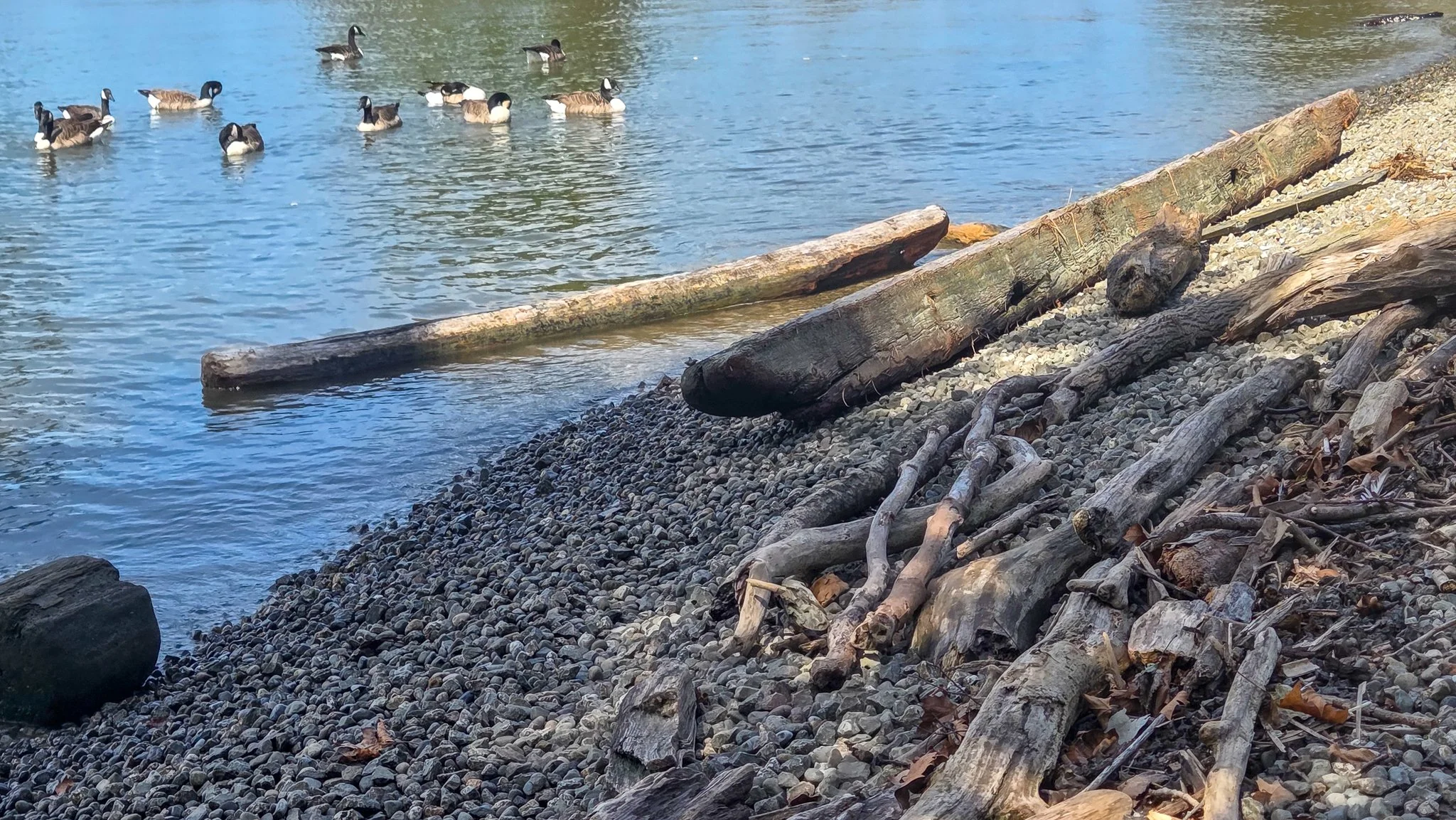
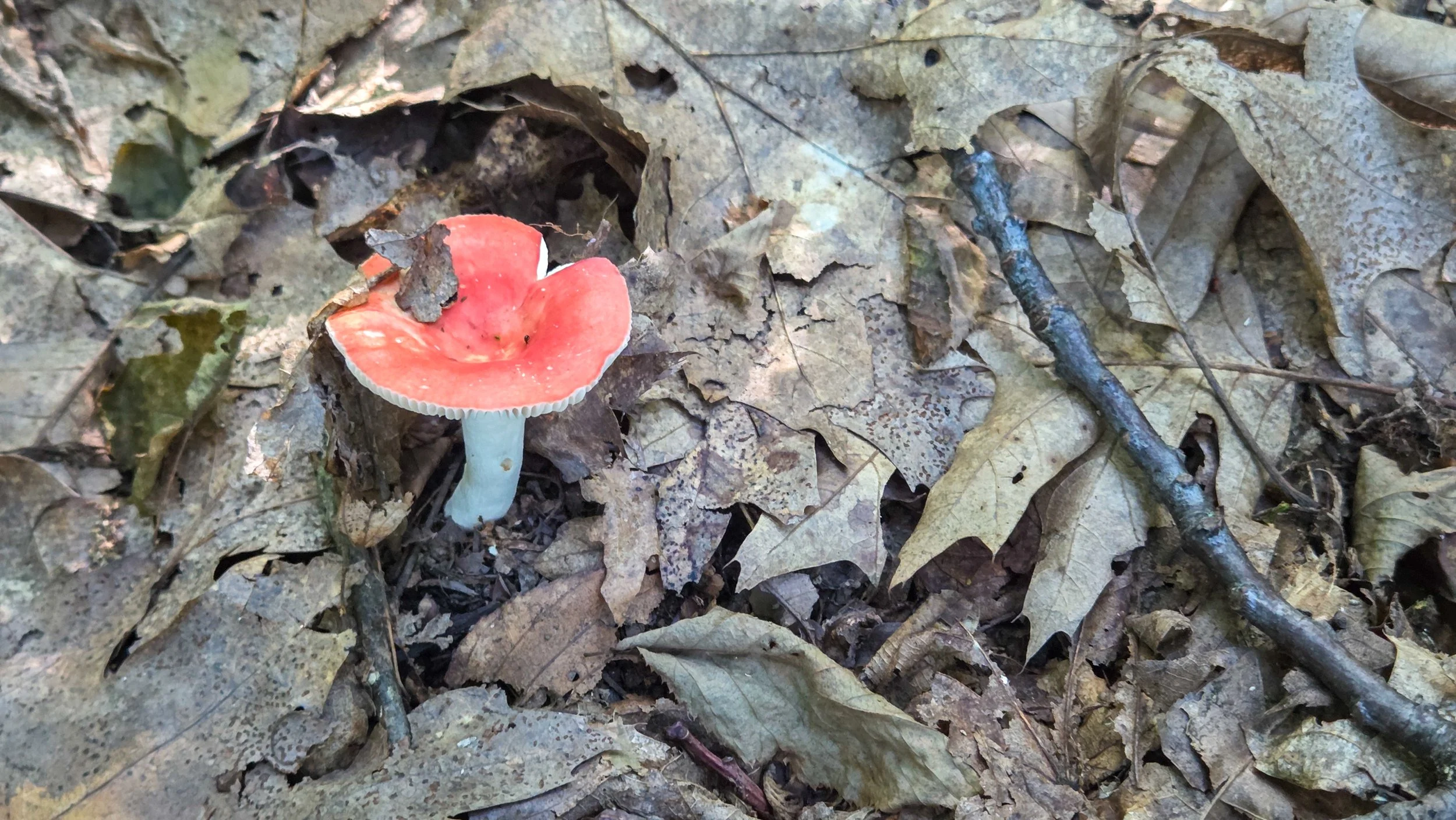
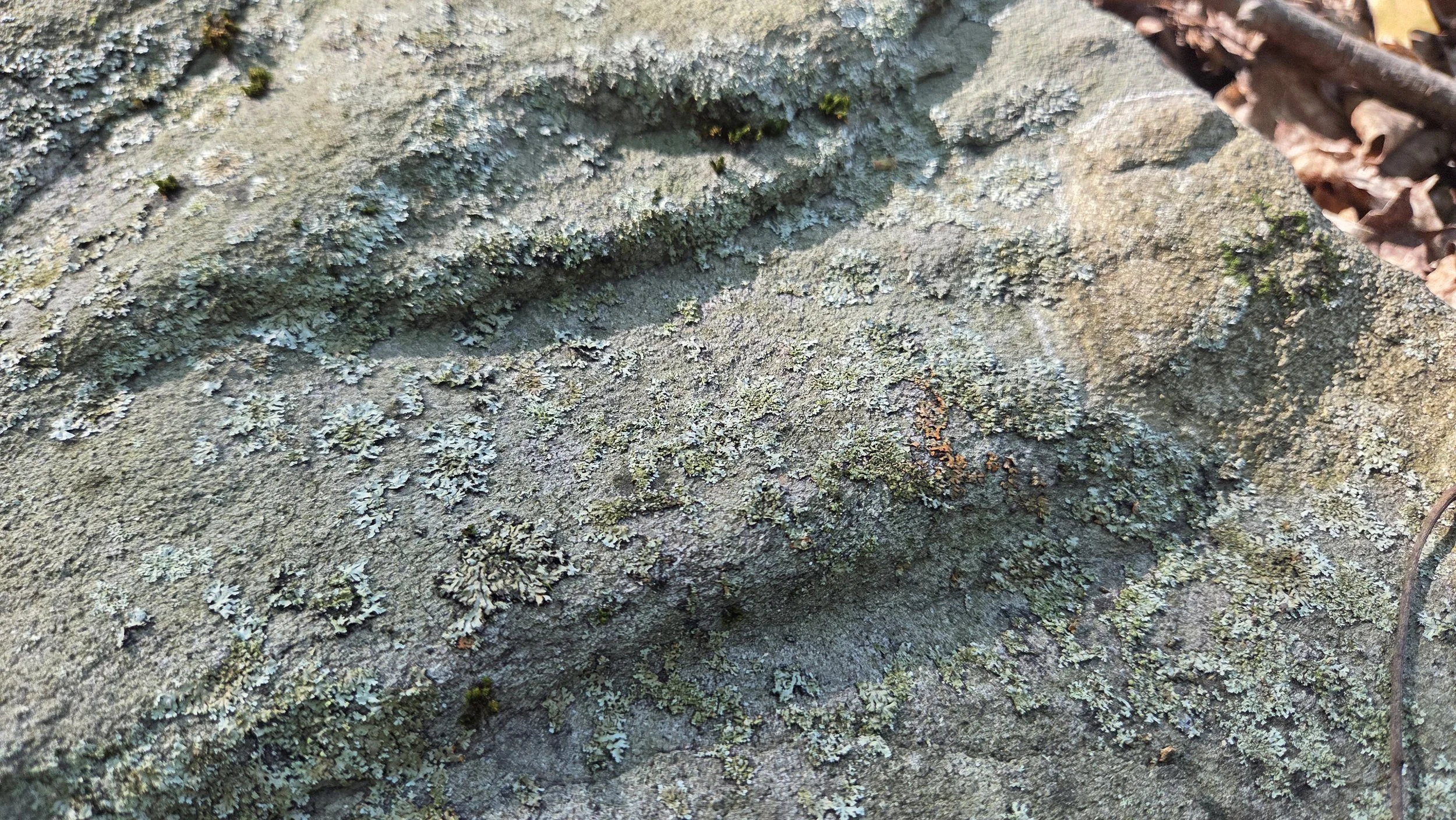
You can see natural recycling on the trails at Tymor Park in Lagrangeville, the shoreline along 9D in Beacon, and in your backyard. Fallen leaves nourish mushrooms, squirrels occupy abandoned woodpecker cavities, and lichens dissolve stones to extract minerals. Everything builds upon what came before.
It’s not just tangible items. If you listen closely to the hedgerows and thickets, you can hear an avian version of musical sampling. The Northern Mockingbird borrows "audio snippets" from its neighbors, stitching the calls of blue jays, robins, and cardinals into new tracks to defend territory. Similarly, the actions of beavers are mirrored by muskrats, who copy travel routes through dense vegetation to find shelter in their lodges.
Humans remix, as well. We are authors, artists, or composers of works built upon the efforts of others. Even if complete originality were possible, modifying what already exists often yields something spectacular.
The Copy May Be Preferred
In 2015, singer-songwriter Mike Posner wrote an acoustic ballad about the dark side of fame. It was largely ignored. Realizing it lacked the energy for mainstream radio, his record label sent it to SeeB, an electronic duo. They added a bright synth melody, transforming "I Took a Pill in Ibiza" into a global dance hit that has racked up over 2.4 billion streams. While a tiny niche prefers the acoustic original, the tune only gained traction after the remix exploded, benefiting both artists.
The Staple Singers’ 1954 gospel recording of "This May Be the Last Time" sold only a few thousand copies. A decade later, The Rolling Stones injected rock energy into the chorus, driving sales of 1965's "The Last Time" past 2 million copies. The ultimate commercial peak arrived in 1997 when The Verve sampled an orchestral loop of the Stones' track for "Bitter Sweet Symphony," which accumulated over 1.6 billion Spotify streams.
Some cinematic adaptations succeed by editing out unnecessary storylines. The source material for The Godfather indulged in lengthy subplots that would have distracted from the film’s operatic tragedy. Meanwhile, the satirical novel on which Forrest Gump was based featured a foul-mouthed giant who blasted into outer space and was held hostage by cannibals. By removing these cartoonish capers, the silver screen grounded the story into an endearing, historically based tale.
Inventors Know They’re Not Original
As Apple founder Steve Jobs once observed, “Creativity is just connecting…experiences [to]…synthesize new things.” Surrealist artist Salvador Dalí noted, “Those who do not want to imitate anything, produce nothing.” Mark Twain even claimed that human utterance is largely built on a foundation of unavoidable plagiarism.
Unlike mockingbirds, whose vocal piracy is governed by natural selection, human creators operate under a legal framework known as the doctrine of Fair Use. By law, brief, copyrighted excerpts may be used without permission or payment for purposes like criticism, news reporting, teaching, or research. There is greater leeway if the source material is factual rather than fictionalized, provided it does not hurt the original creator’s ability to profit.
It’s National. It’s Local.
Famous legal battles highlight these boundaries. One clash, settled out of court, involved the Associated Press and the iconic Barack Obama 'Hope' poster, which was based on an AP photograph. Another occurred when luxury fashion house Louis Vuitton sued the makers of "My Other Bag" totes. Because the totes were deemed a parody, they can still be legally sold.
Fair Use shapes our interactions right here where we live. Every day, copyright law is navigated inside classrooms — from neighborhood schools to institutions like Marist and Vassar — where educators exercise their legal right to stream a documentary for face-to-face instruction without paying licensing fees.
Makers at marketplaces and fairs must also cope with the interplay of ownership versus shared expression. For example, artisans at Rhinebeck’s Sheep and Wool Festival share the universal building blocks of the craft — such as stitches and heritage techniques — yet a designer’s pattern is protected.
Meanwhile, on the related landscape of trademark law, pop icon Daryl Hall, owner of Pawling’s Daryl’s House, and former musical partner John Oates used their legal weight to stop a small-batch food maker from using the pun-based moniker “Haulin' Oats" for their granola blend. The product is now marketed as "Kiss My Oats," demonstrating that businesses must remain mindful of intellectual property.
Whether it is an educator utilizing a video stream, an artisan spinning communal traditions, or a business owner branding a product, Fair Use boundaries limit and protect. True originality might be a myth, but authenticity is attainable. Like the mockingbirds filling the Hudson Valley air with remixed melodies, our culture thrives when we connect, adapt, and responsibly transform the old into something beautifully new.
This activity is great for anyone looking to enrich knowledge of rights and responsibilities in creating new work: https://www.teacherspayteachers.com/Product/FAIR-USE-ENRICHMENT-CROSS-CURRICULAR-ACTIVITY-7542394
Francine Wizner is a native of the Hudson Valley. She grew up in the Catskills of Greene County and spent over three decades teaching in Ulster County. She creates science-themed instructional materials and books, as well as being a Citizen Scientist in the management of her current home in an enchanted woodland of Dutchess County. Find her at https://medium.com/@wiznerf, https://substack.com/@gkatzchronicle, and https://www.youtube.com/@PVMapleLodge.
https://www.teacherspayteachers.com/store/gkatzchronicle
https://www.youtube.com/@gkatzchronicle
https://www.amazon.com/stores/G.-Katz-Chronicle/author/B07H1KXWD2/allbooks