How an Ancient Enzyme Protects Our Cells and Triggers Autumn’s Grand Finale
by Francine Wizner
Hudson Valley Naturalist
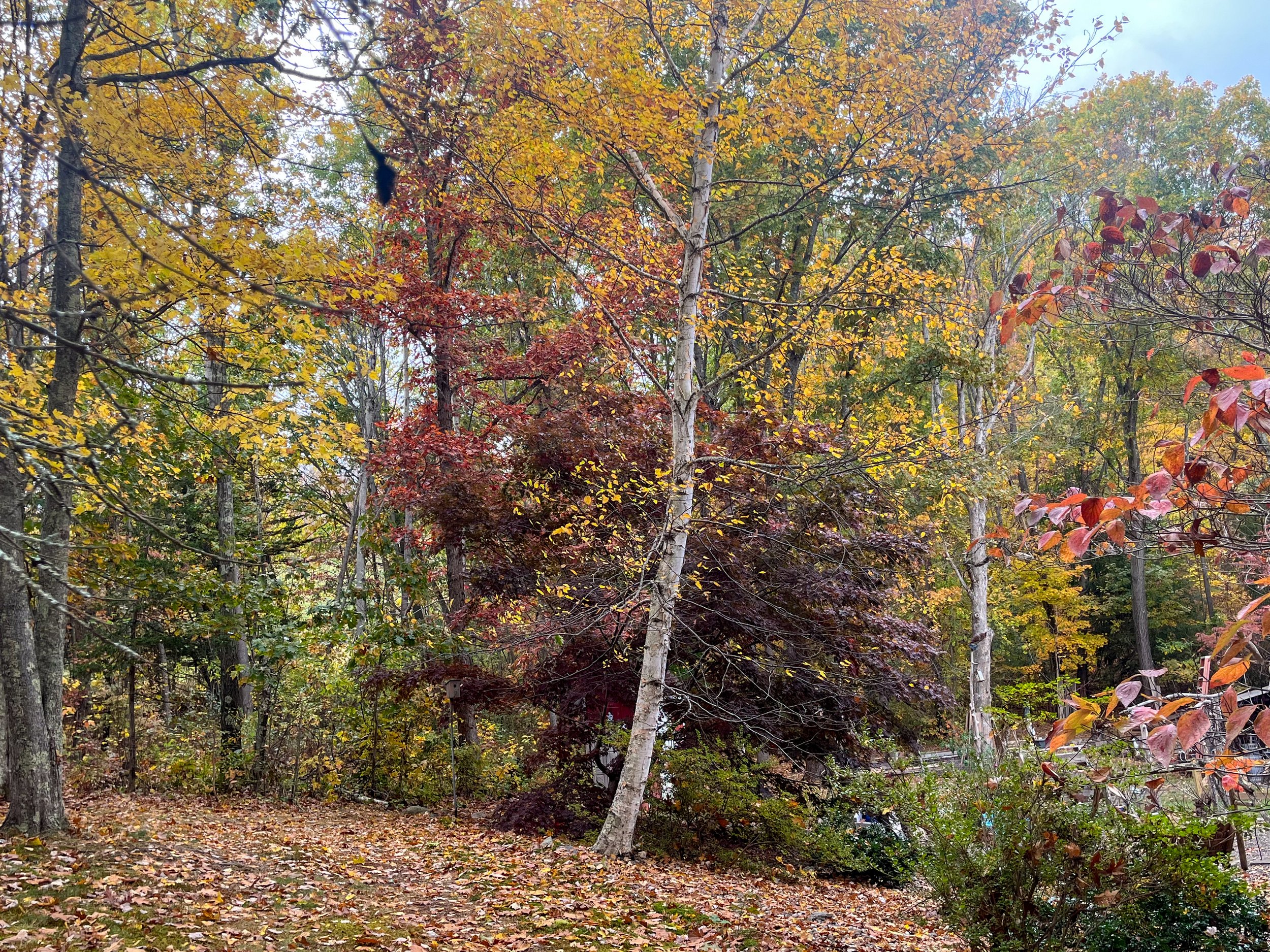
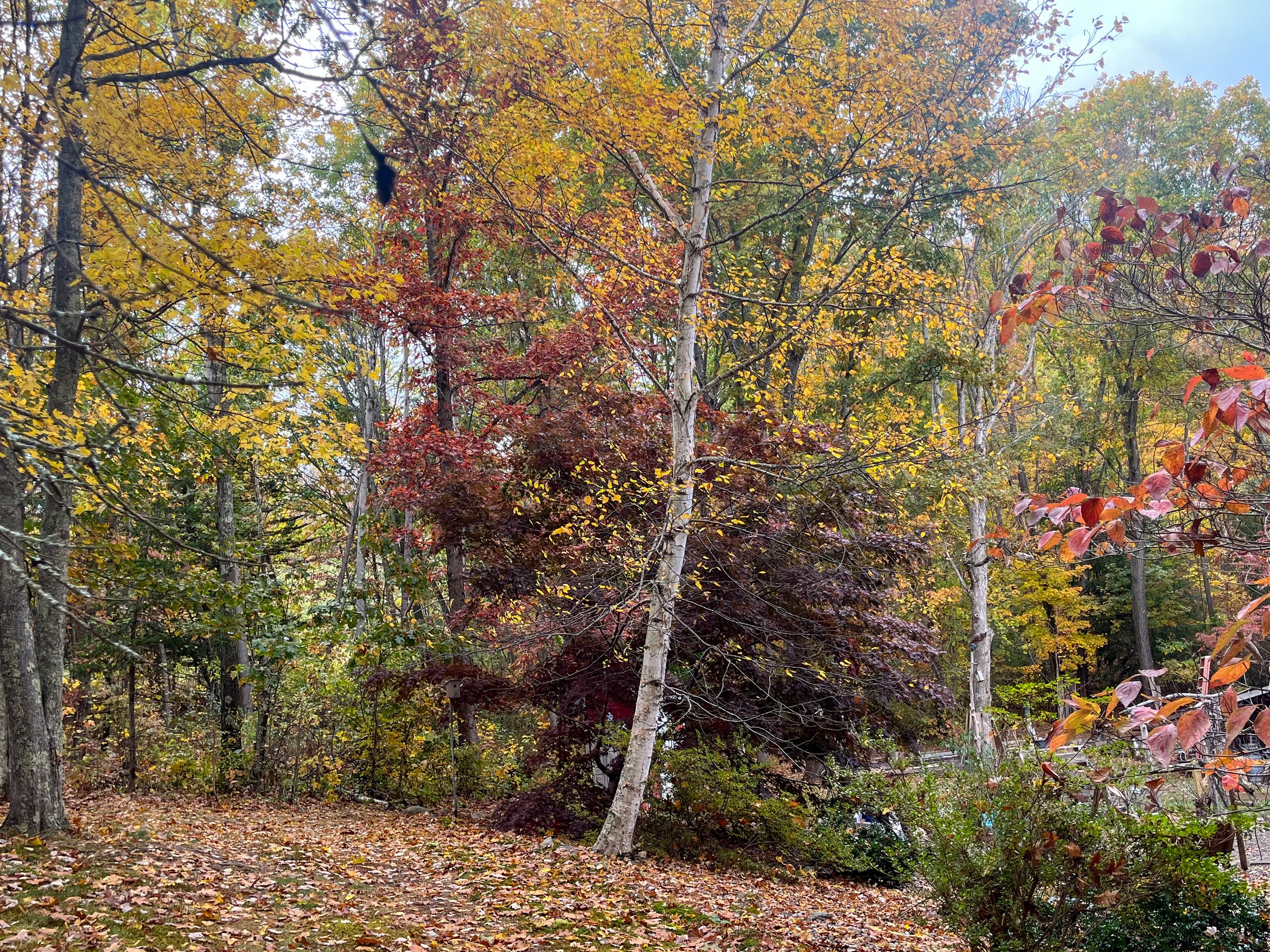
In mid-November, the vibrant canopies along the Taconic Parkway are retreating and being replaced by stark silhouettes framed by slate-gray skies. While we view this transition as a concession to less sunlight and freezing temperatures, the direct catalyst is the retirement of an invisible chemical deep within every leaf. You can better understand the biological machinery behind the seasonal shift in your kitchen or school laboratory.
Try This Experiment
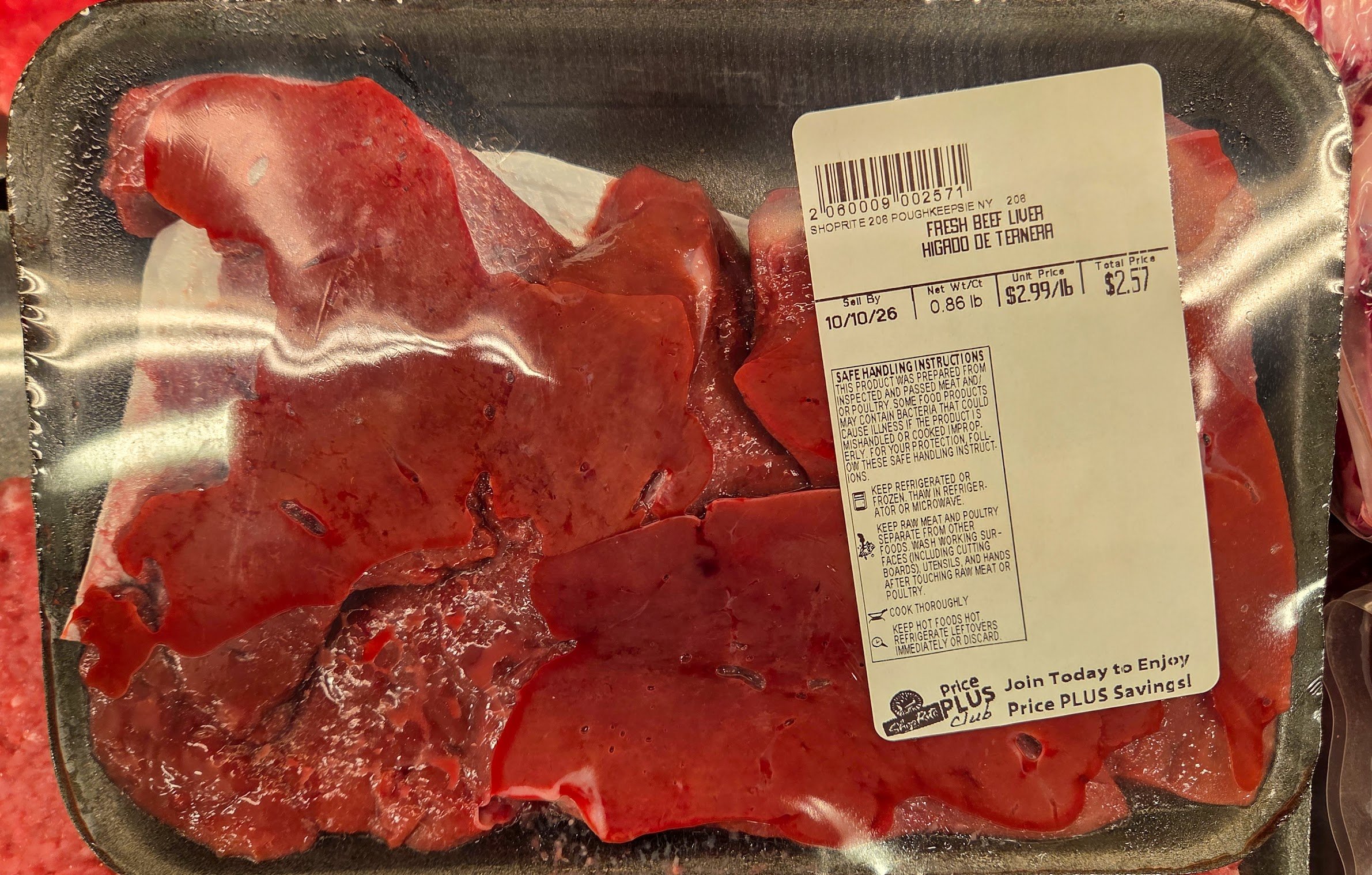
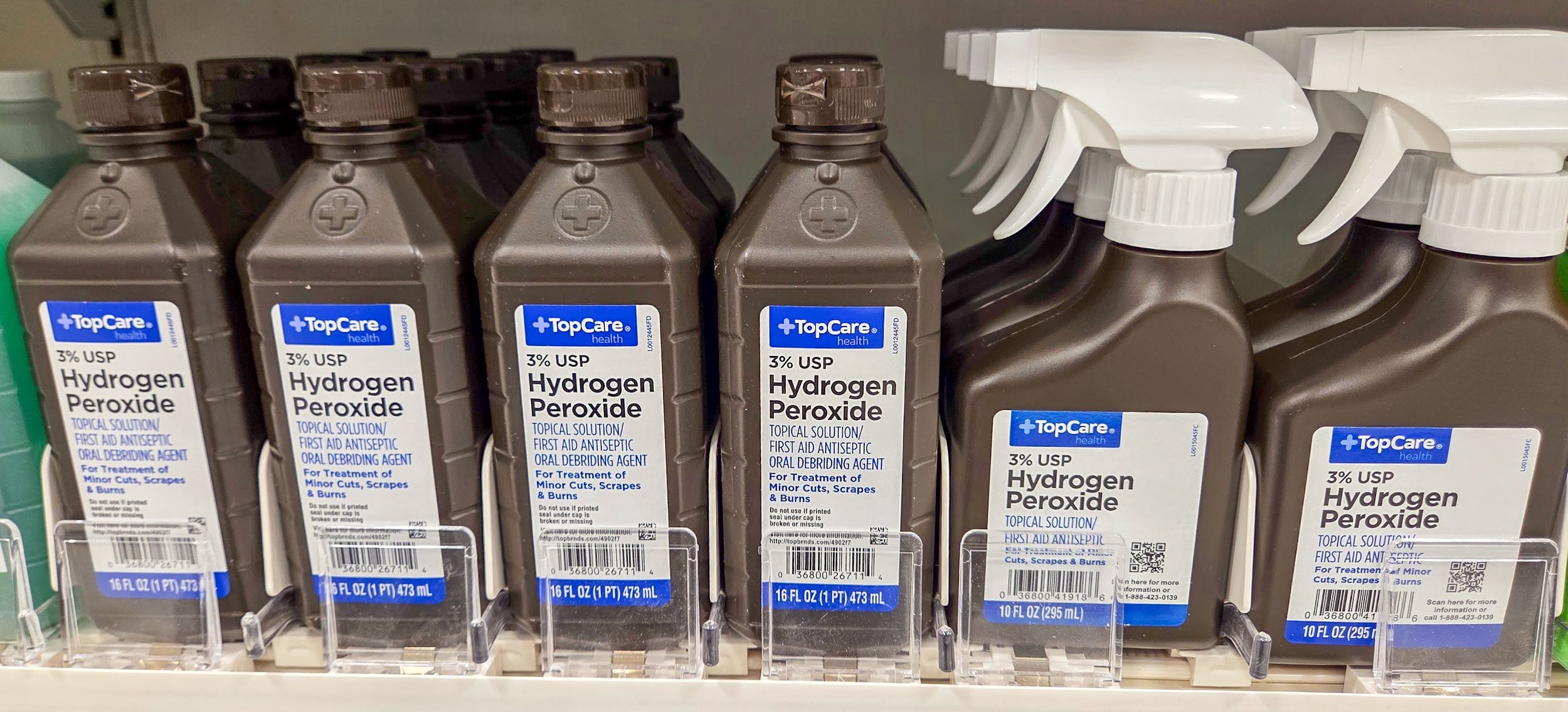
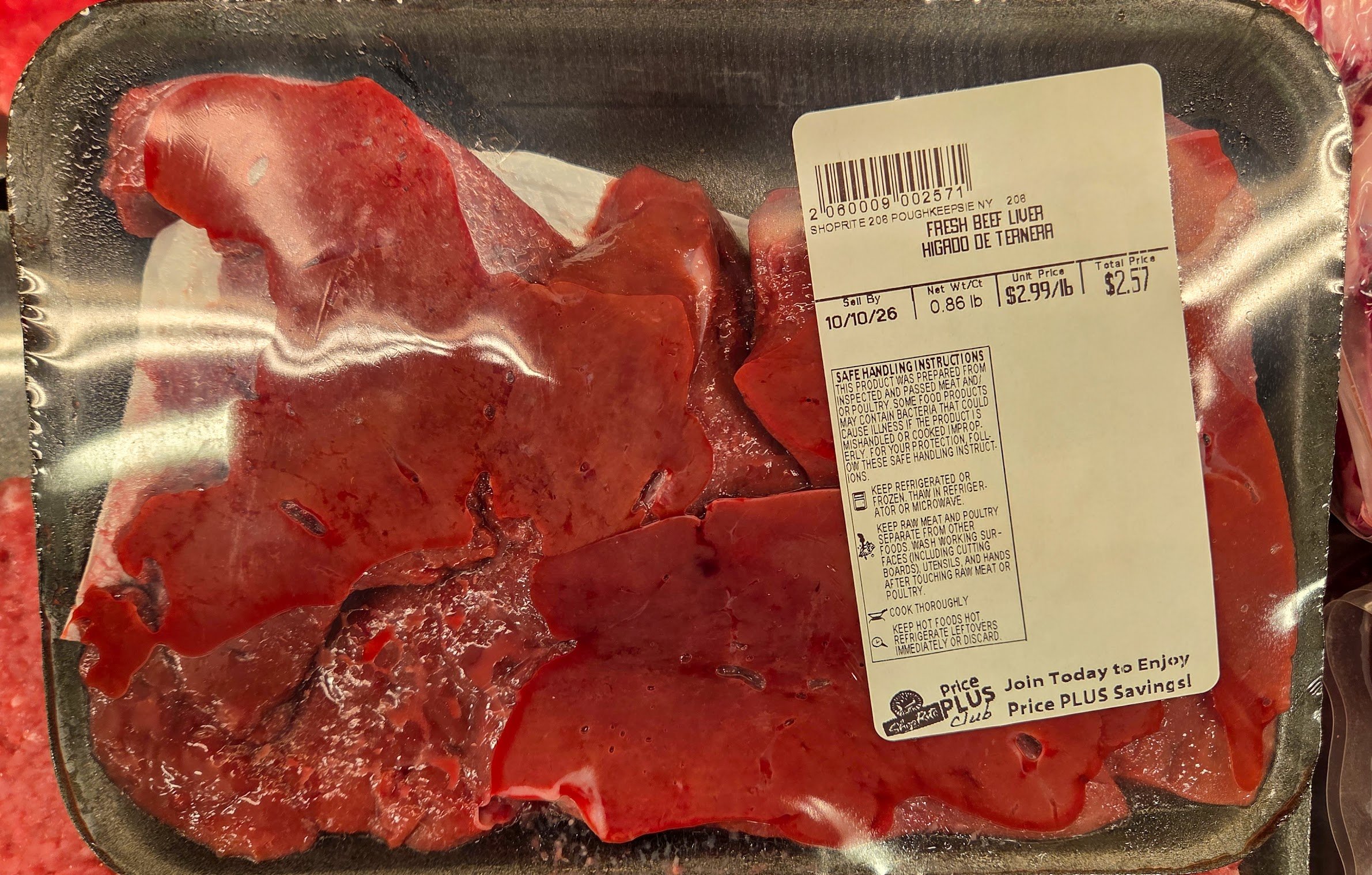
Drop a splash of household hydrogen peroxide (H₂O₂) onto a fresh piece of chicken or beef liver purchased from the grocery store. The surface will immediately spew a fizzing white foam – its reaction to this common household disinfectant. Living cells also make hydrogen peroxide as a byproduct of normal metabolism, as well as for immune defense and cellular signaling.
Every second, a cell's normal metabolic processes generate toxic byproducts like H₂O₂, ammonia, and unstable free radicals. Cells don’t succumb to these internal toxins because they produce specialized proteins called enzymes to break them down into harmless substances. Enzymes are biological catalysts that speed up vital reactions that would otherwise happen too slowly to sustain life. Each distinct enzyme handles one highly specific chemical reaction.
Catalase
Catalase is one such enzyme. Its primary job is tracking down H₂O₂ and quickly dismantling it into water and oxygen gas. The bubbling reaction is simply the gas escaping an intense, heat-releasing chemical transformation.
A single drop of hydrogen peroxide contains trillions of molecules. Because one H₂O₂ molecule only has two oxygen atoms, it doesn't have enough pieces on its own to make both water and oxygen gas. To make the math work, two H₂O₂ molecules must split apart together. This gives the reaction a total of four oxygen atoms to work with. Those four atoms rearrange perfectly into two molecules of water (2H₂O) and one molecule of oxygen gas (O₂).
One Enzyme, Multiple Kingdoms
The gene for catalase dates back over two billion years to when primitive cells first adapted to Earth's rising oxygen levels. Today, genetic sequencing shows that this ancient shield has been successfully passed down across multiple kingdoms of life, including plants, animals, fungi, and bacteria.
Just as our own body cells produce catalase, so do plant leaves. But a drop of peroxide placed on a whole, intact November leaf will likely just roll off.
Visually Exciting, But “Icky”
The enzyme supply in leaves is locked tightly behind rigid plant cell walls. To get a noticeable reaction, those walls need to be ruptured. Try using pulverized raw potato or pureed spinach to allow the catalase enzymes to interact with the H₂O₂.
In contrast, catalase is densely packed into animal liver cells because the liver serves as the body's primary filtration center, making it the most accessible medium for teaching this science. Admittedly, raw liver is "icky." But the clear results easily demonstrate core tenets of biochemistry: enzymes are reusable, yet sensitive to environmental changes like varying temperature or pH levels. These traits are easily shown by soaking the liver in acids and bases, or freezing or boiling temperatures before observing its reaction to H₂O₂.
The Effects of Lack of Catalase Can Be Dire or Beautiful
When enzymes are denatured, they lose their shape and can no longer function. If catalase is deformed by temperature or pH extremes it will be unable to break down the toxic peroxide, causing cell damage or death. For example, a thermal burn destroys the skin's catalase enzymes, allowing toxic hydrogen peroxide to build up in the damaged cells. Similarly, during severe heartburn, harsh stomach acid bathes the esophagus, warping its catalase enzymes, rendering them unable to protect the tissue from chemical damage.
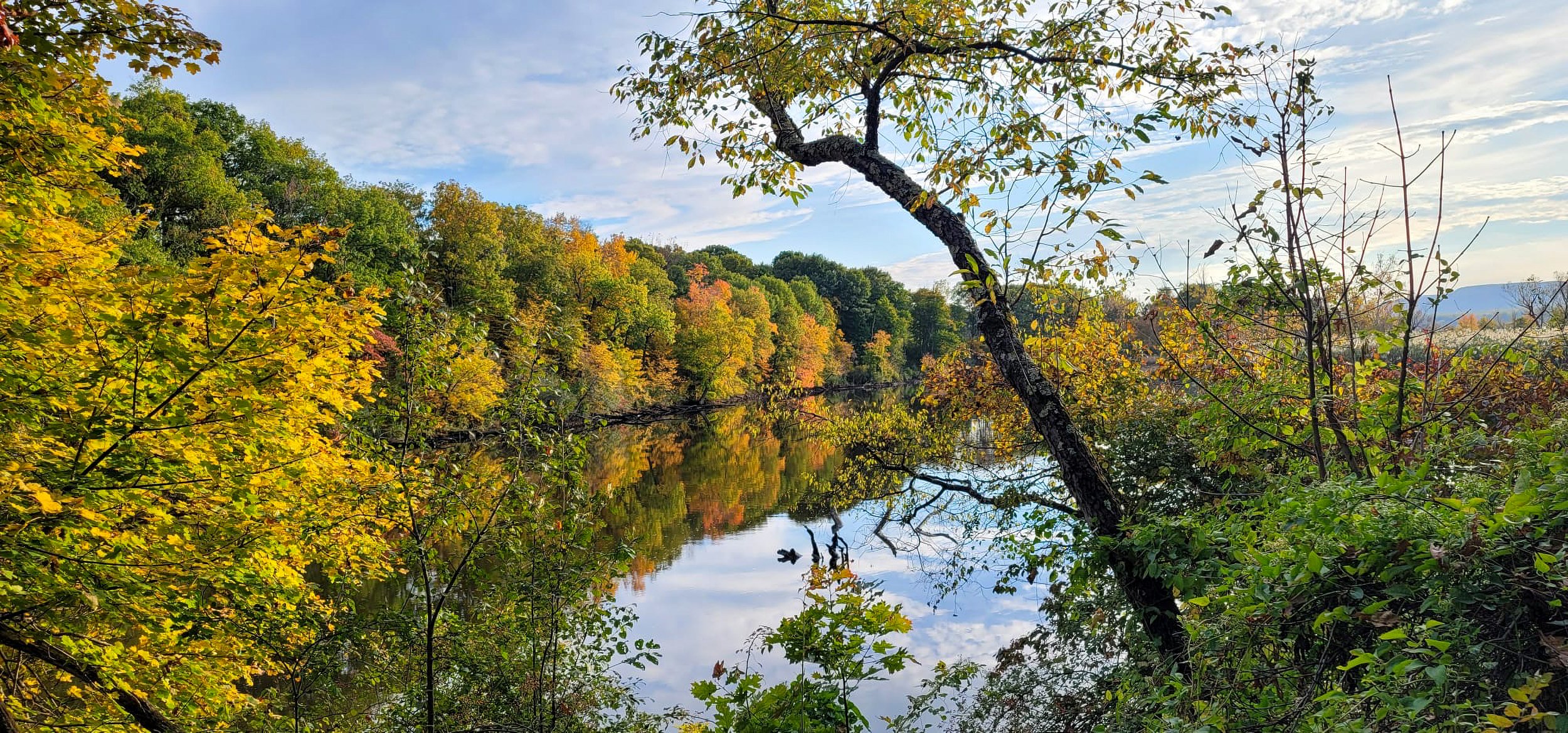
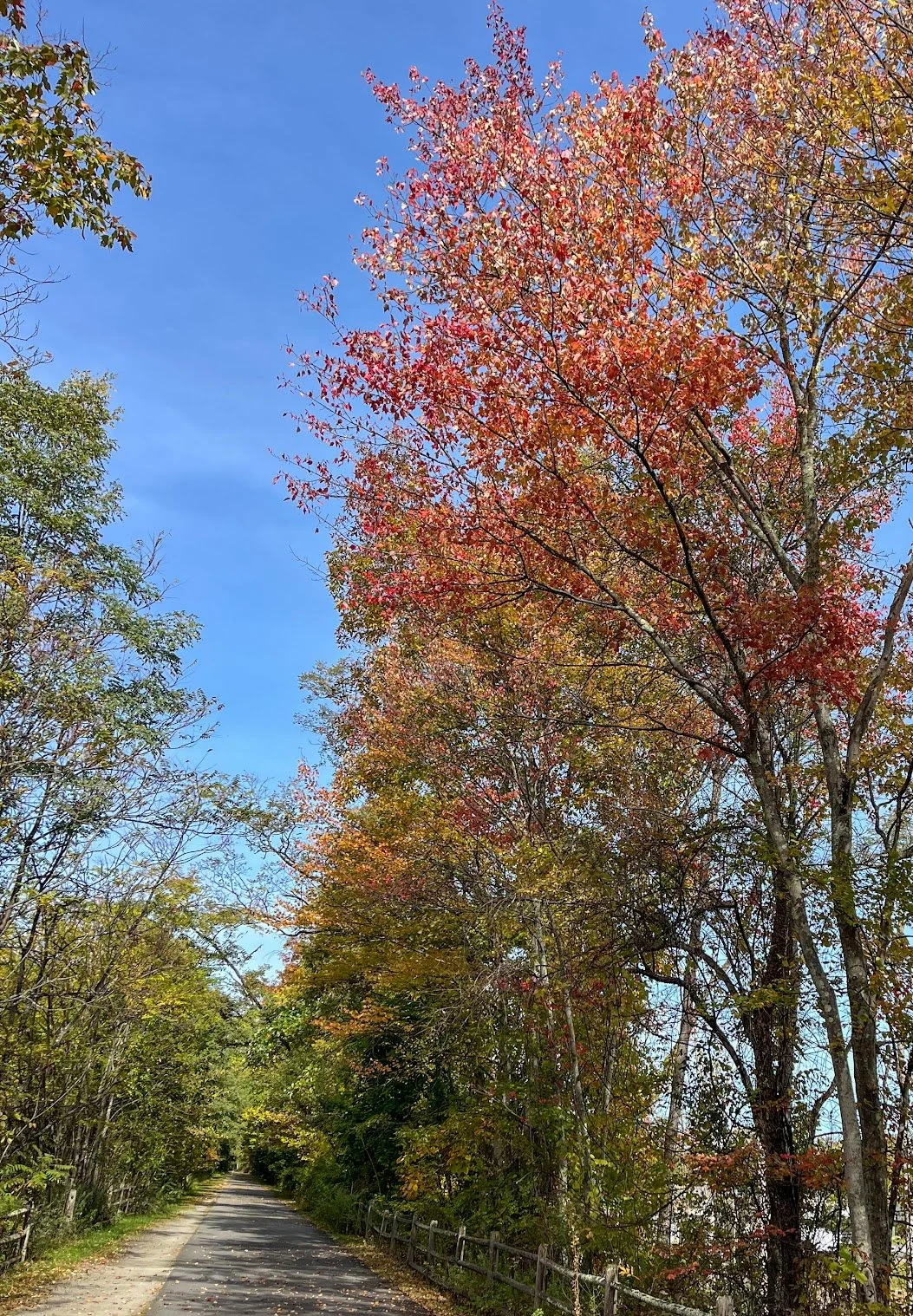
While these localized failures cause tissue damage in humans, a controlled shutdown of this same enzyme creates the stunning visuals of autumn. During the long, sunny days of summer, green leaves are packed with catalase to act as a cellular bodyguard, neutralizing hydrogen peroxide generated during photosynthesis. But by November the light is dwindling. Each tree’s DNA instructs its leaves to stop producing catalase. Without this protective shield, internal peroxide levels spike, causing oxidative stress that signals the cell walls to break down. This chemical cascade dismantles the dominant green chlorophyll, unmasking the hidden reds and golds of autumn just before the leaves fall to earth. It is beautiful.
The bare branches forming our stark November landscape are a sign of a shared evolutionary toolkit. The same enzyme that quietly retires to give us our autumn colors is hard at work inside our own bodies, keeping us safe from our own internal chemistry. (An organized write-up of this lab activity can be found in 40 Biology Lab Activities on Amazon: https://www.amazon.com/Biology-Lab-Activities-Life-Science/dp/1732737940. Here is a video demo: https://www.youtube.com/watch?v=BuSSnypJLLo.)
Francine Wizner is a native of the Hudson Valley. She grew up in the Catskills of Greene County and spent over three decades teaching in Ulster County. She creates science-themed instructional materials and books, as well as being a Citizen Scientist in the management of her current home in an enchanted woodland of Dutchess County. Find her at https://medium.com/@wiznerf, https://substack.com/@gkatzchronicle, and https://www.youtube.com/@PVMapleLodge.
https://www.teacherspayteachers.com/store/gkatzchronicle
https://www.youtube.com/@gkatzchronicle
https://www.amazon.com/stores/G.-Katz-Chronicle/author/B07H1KXWD2/allbooks