
‘Hudson River State Hospital and Mental Health in America’
Access to open air ‘recognized amongst the most valuable means of treatment’ … in 1868
Mental health is currently the leading cause of disability worldwide with 1.17 billion people living with a mental health disorder, according to a June 2026 report that analyzed data from 204 countries. More than 1 in 5 New Yorkers have symptoms of a mental disorder, according to the state department of health, and half of all lifetime cases of mental illness begin at the age of 14.
Anxiety and depression caused by food insecurity, housing instability, isolation and a lack of support are leading contributors to global mental health disorders, in addition to what the state calls “barriers to effective care” including “stigma and discrimination, and insurance limits.”
“What we’re seeing in the data confirms what our behavioral health providers have known for years – that mental health and social circumstance are inseparable,” Megahan Wygant, Chief Operating Officer of Hudson Valley Care Coalition. “When someone is struggling to meet their basic needs, their mental health suffers.”
But while mental health disorders are common topic these days, 150 years ago, mental health disorders were not only stigmatized, they were typically institutionalized.
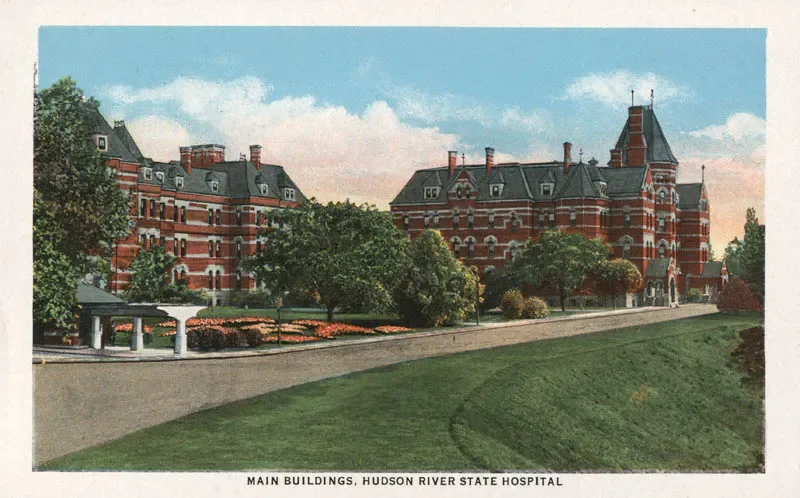
In 1867, Dutchess County purchased 200 acres of land from James Roosevelt, FDR’s father, for the state to establish a “rightly equipped and constructed hospital for the mentally ill.” The land, and its proximity to the river, reflected the notion that patients should have access to farming and gardening, a place exercise and have privacy “for these are now recognized amongst the most valuable means of treatment,” noted Dr. Kirkbride, an advocate for moral treatment of mental health care.
Using the prinicpals set by Dr. Kirkbride, with design by Frederick Clarke Withers and landscaping from Frederick Law Olmstead and Calvert Vaux – designers of NYC’s Central Park – The Hudson River State Hospital (for the Insane) officially opened on October 18, 1871 with its first 40 patients. By the early 1950s, it housed over 6,000 patients before declining – both in patient numbers, with 1,780 in-house patients in 1976, and structurally – before fully shuttering in January 2012 following years of neglect and ongoing arsons, with a June 2026 fire decimating several of the site’s historic buildings, and one of the remaining Kirkbride hospitals in the country.
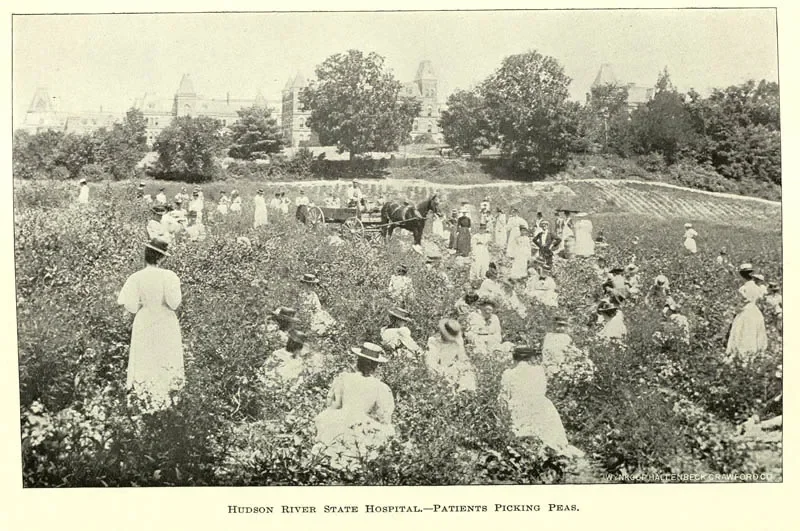
Learn more with a special event hosted by the Boardman Road Branch Library on Monday, September 14, 2026 at 6pm on the history of mental health in America, and the role of the Hudson River State Hospital. Cost to attend is free, with registration required. Register
Event details:
Hudson River State Hospital and Mental Health in America
Monday, September 14, 2026 at 6pm
Cost of admission: Free with registration required
Boardman Road Branch Library, 141 Boardman Road, Poughkeepsie
The lecture will focus on the abbreviated history of mental health in America, the development of a public care system in New York State, the role of the Hudson River State Hospital, including the development of a public care system in New York State and the role of the Hudson River State Hospital. In light of the recent fire on the lower campus, the museum will present an educational series about the facility's history and the roles they played in the society, both local and abroad. Presented by Joseph Galante. Register
For 141 years, Hudson River State Hospital was home to tens of thousands of individuals suffering from mental illness.
Famous architects Frederick Clark Withers and Calvert Vaux drafted the main building in 1869. The facility grew from a 208-acre parcel in 1871 with seven patients to 752 acres with five dozen separate buildings containing nearly 6,000 patients in 1954. The main building was constructed on a Kirkbride plan, a treating philosophy centered around an ornate building of equal proportions staffed by employees who integrated dignity and compassion into health care. Famous architects Frederick Clark Withers and Calvert Vaux drafted the main building in 1869. The landscape was penned by Frederick Law Olmsted, perhaps best known for the design of New York City's Central Park. Ships for free directly from Arcadia Publishing.
Support local history, news + events:

When dogs cross the rainbow bridge, where do they go? According to the dogs themselves, straight to heaven-and it's even better than we imagined! In this heartwarming and hilarious picture book, the dogs have gotten permission from God to send a message back to their humans, full of tail wags, belly rubs, and endless fields of tennis balls.
With gentle humor and lots of doggy joy, Heaven Is Amazing offers comfort to anyone who's ever had to say goodbye to a furry friend. It's the perfect story for parents and children to snuggle up with-and for dog lovers of all ages to laugh, cry, and feel just a little bit better.
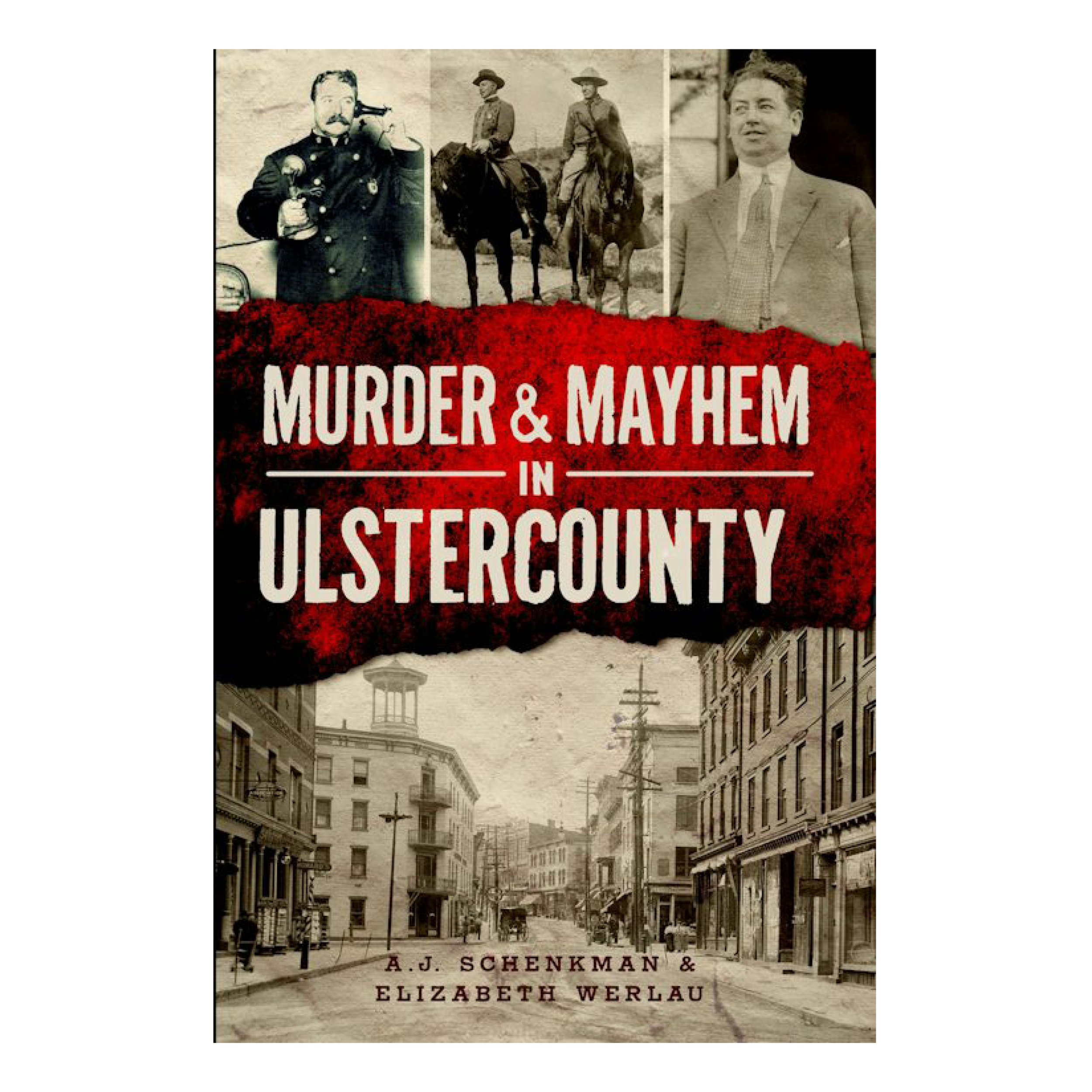
In 1870, the New York Herald proclaimed that Ulster County was New York's Ulcer County due to its lawlessness and crime. The columnist supported his claim by citing that in only six months, it has been the scene of no less than four cold blooded and brutal murders, six suicides and four elopements. Hannah Markle--the bane of the Woman's Christian Temperance Union--ran a Kingston saloon where murder and violence were served alongside the whiskey. John Babbitt confessed on his deathbed to murdering Emma Brooks, and Willie Brown--reputed member of the Eastman Gang--accidentally shot his best friend. The infamous Big Bad Bill, the Gardiner Desperado, lashed out more than once and killed in a drunken rage. Discover the mayhem and murder that these and others wreaked on one of New York State's original counties.
About the author
A.J. Schenkman is a historian, educator, and author. He specializes in uncovering the “hidden” human stories of American history, particularly within the Hudson Valley. His storytelling approach to history, which he calls “History Made Seamless,” uses personal narratives over dry dates and battles. His body of work includes Wicked Ulster County and Murder and Mayhem in Ulster County, as well as broader historical investigations such as Patriots and Spies in Revolutionary New York and his 2025 release, Hispanic Americans in the Civil War. In addition to his adult non-fiction books, he has also authored a children’s book, Franklin’s Trees, which explores FDR’s passion for conservation.
Ships directly from the publisher. Shipping’s included in all prices on the HVNY Marketplace
Publication Date: November 3, 2026
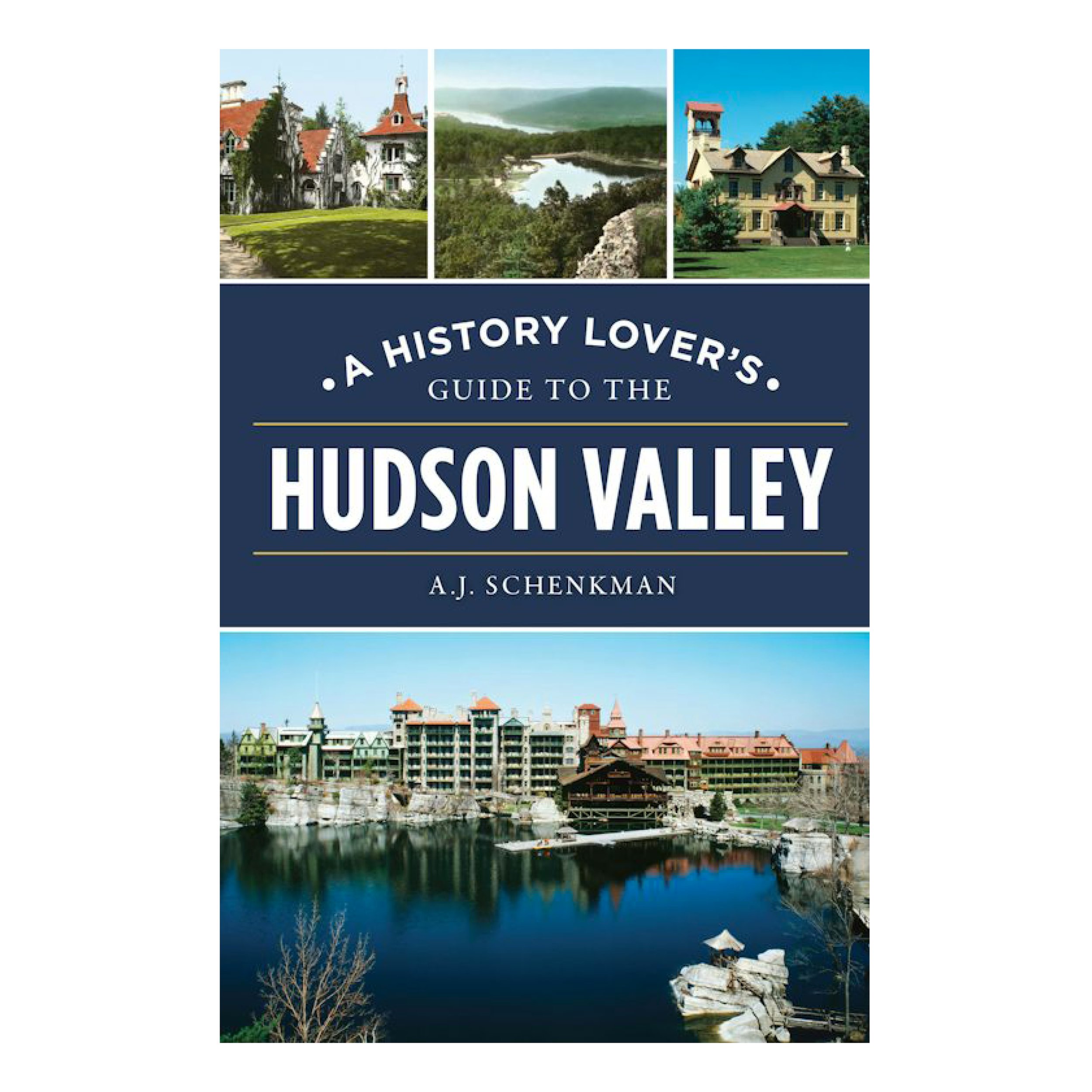
The Hudson Valley is more than just scenic vistas — it is the birthplace of American history. Go beyond the traditional guidebook to counties nestled along the east and west banks of the majestic Hudson River. From Native American settlements and Dutch colonial roots to the rise of the English, history unfolds at every turn in the river. Discover Newburgh, where Washington had his longest headquarters of the Revolution. Explore the quaint town of Kingston, home of the state’s first capital. Learn how the pivotal Battle of Saratoga turned the tide of the American Revolution. Admire the artistic heritage of Frederic Church’s Olana, the vast Gilded Age estates, and the nation’s first presidential library in Hyde Park. Join local historian A.J. Schenkman as he traces the forgotten histories and vibrant heritage of one of America’s most historic regions.
About the author
A.J. Schenkman is a historian, educator, and author. He specializes in uncovering the “hidden” human stories of American history, particularly within the Hudson Valley. His storytelling approach to history, which he calls “History Made Seamless,” uses personal narratives over dry dates and battles. His body of work includes Wicked Ulster County and Murder and Mayhem in Ulster County, as well as broader historical investigations such as Patriots and Spies in Revolutionary New York and his 2025 release, Hispanic Americans in the Civil War. In addition to his adult non-fiction books, he has also authored a children’s book, Franklin’s Trees, which explores FDR’s passion for conservation.
Ships directly from the publisher. Shipping’s included in all prices on the HVNY Marketplace
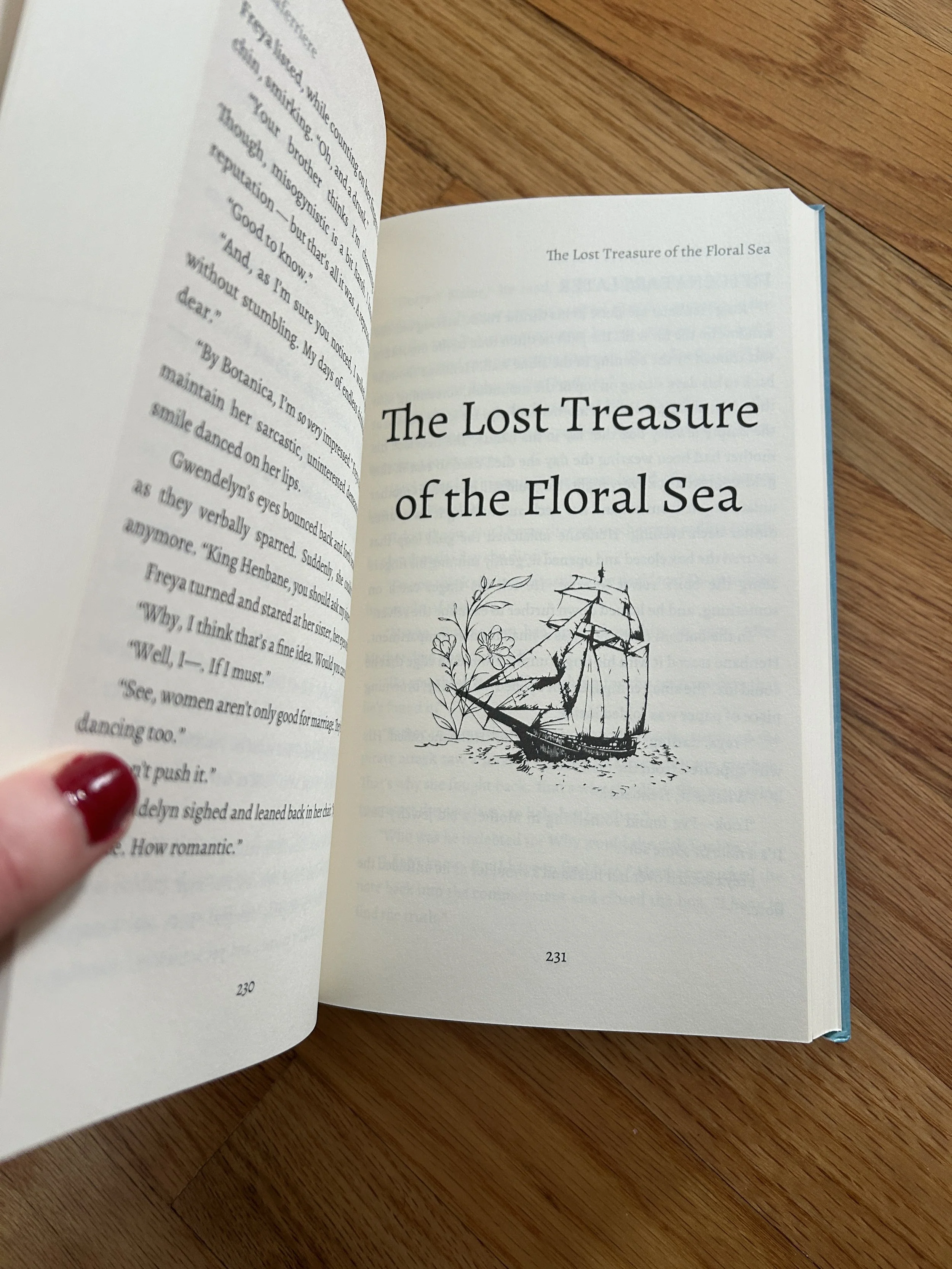
Prince Nyle of Wisteria, newly 17, is set to sail the Floral Sea with Captain Oxford, his father’s lead commander. Nyle’s heart longs for adventure, but it also longs for Adelaide, his childhood best friend. However, like in any classic fairytale, Nyle’s father has forbidden him from marrying a commoner. Unbeknownst to the feuding father-son pair, Captain Oxford is plotting with King Oleander of Chrysanthemum to seize control and rule the Flower Alliance. As Oxford’s plot is revealed, Nyle, Adelaide, and a misfit band of heroes work together to stop Oxford and restore peace. In part two, King Oleander’s son, Henbane, finds a piece of a treasure map that will lead to answers surrounding his mother’s death. Theo, a pacifist from Poppy (the island of war), and Emma, a healer from Amaranth, get caught in the treasure hunt. King Alastair of Poppy seeks the lost treasure for himself. With the democracy of the Flower Alliance once again at risk, Theo and Emma team up with familiar friends to find the treasure.
Paperbacks & hardcovers are printed on demand. Paperbacks are $26, and Hardcovers are $32.
Every summer, Erica Margot and her family head to Maine for a month. This summer is different — not only is it the summer before her senior year, but her twin brother’s best friend, Cameron, is tagging along. And he’s kind of hot. But she doesn’t have time for romance, does she? Can she be a strong, independent woman in STEM but also desperately want a boyfriend? While checking off annual family traditions, Erica Margot tries to grapple with who she is — and how to put it into a college application essay — along with her growing feelings for Cameron. As a straight-A student, she’s constantly afraid of coming across as high-maintenance and arrogant instead of determined, and she’s scared Cameron will think he’s holding her back. Despite her sorta-kinda-high-maintenance-ness, Erica Margot’s family vacation is full of silliness, inside jokes, and an absurd amount of ice cream. And maybe that’s exactly what she needs to figure out what life is all about, and to find her place in between the stars.
Paperbacks are printed on demand.
One mountain, three victims. Strangers and old friends spend the night on Mount Macabre, but not all of them make it home. The local Sheriff navigates difficult personalities, decodes lies, and unravels secrets on the haunted summit she knows all too well. How long will it take, and how many lives will be ruined in the process?
Paperbacks & hardcovers are printed on demand.
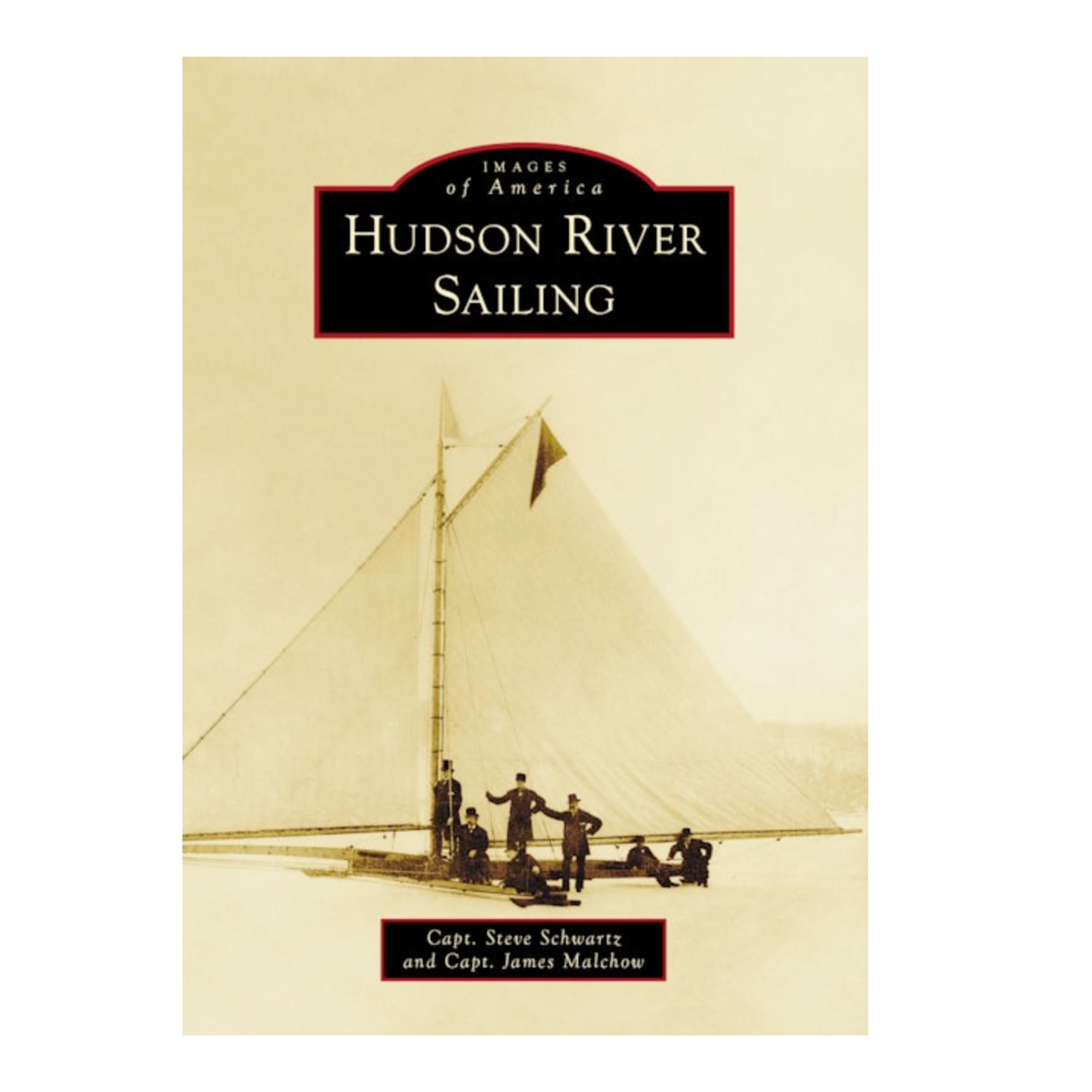
The history of New York is inseparable from the history of sailing on the Hudson River. Beginning with Henry Hudson in 1609 the Dutch and English extended their empires into the Hudson Valley and extracted its bounty via sail.
Control of the Hudson River was a lynchpin for American victory in the Revolutionary War and New York City's 19th-century rise to global prominence was powered by the sailing vessels on its waterways. Upriver, sloops and schooners delivered goods from the nation's interior and international whaling businesses operated from Hudson and Poughkeepsie and Kingston and Newburgh became noted shipbuilding centers. Yacht racing and ice yachting emerged as popular sports among wealthy families like the Astors and Roosevelts. Sailing clubs preserved these traditions into the 20th century. Since the 1960s, activists including Pete Seeger have used sailboats to galvanize a movement to revive the river ecosystem. Today, the river is home to new generations of sailors continuing these traditions into a fifth century.
Steve Schwartz has sailed and captained numerous sailing and motor vessels on the Hudson River since the 1970s. He and James Malchow are both captains on the Hudson River ferry sloop Woody Guthrie. Images in this book, collected from local libraries, historical societies, the New York State Archives, Library of Congress, and private collections, capture the people, places, and ships that have made the Hudson River an important sailing center for over four centuries.
Shipping’s included in all prices on the HVNY Marketplace
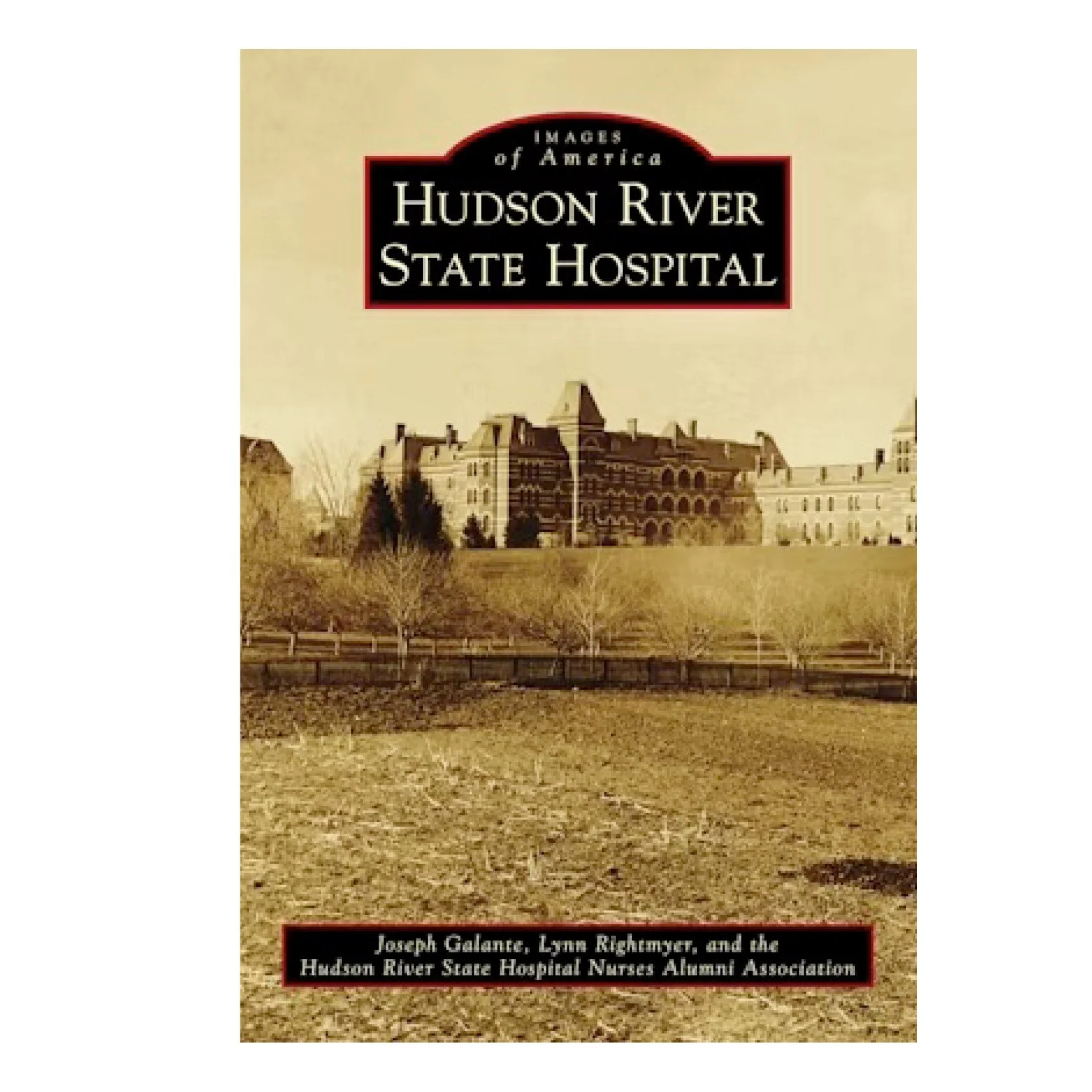
For 141 years, Hudson River State Hospital was home to tens of thousands of individuals suffering from mental illness.
Famous architects Frederick Clark Withers and Calvert Vaux drafted the main building in 1869. The facility grew from a 208-acre parcel in 1871 with seven patients to 752 acres with five dozen separate buildings containing nearly 6,000 patients in 1954. The main building was constructed on a Kirkbride plan, a treating philosophy centered around an ornate building of equal proportions staffed by employees who integrated dignity and compassion into health care. Famous architects Frederick Clark Withers and Calvert Vaux drafted the main building in 1869. The landscape was penned by Frederick Law Olmsted, perhaps best known for the design of New York City's Central Park. Ships for free directly from Arcadia Publishing.
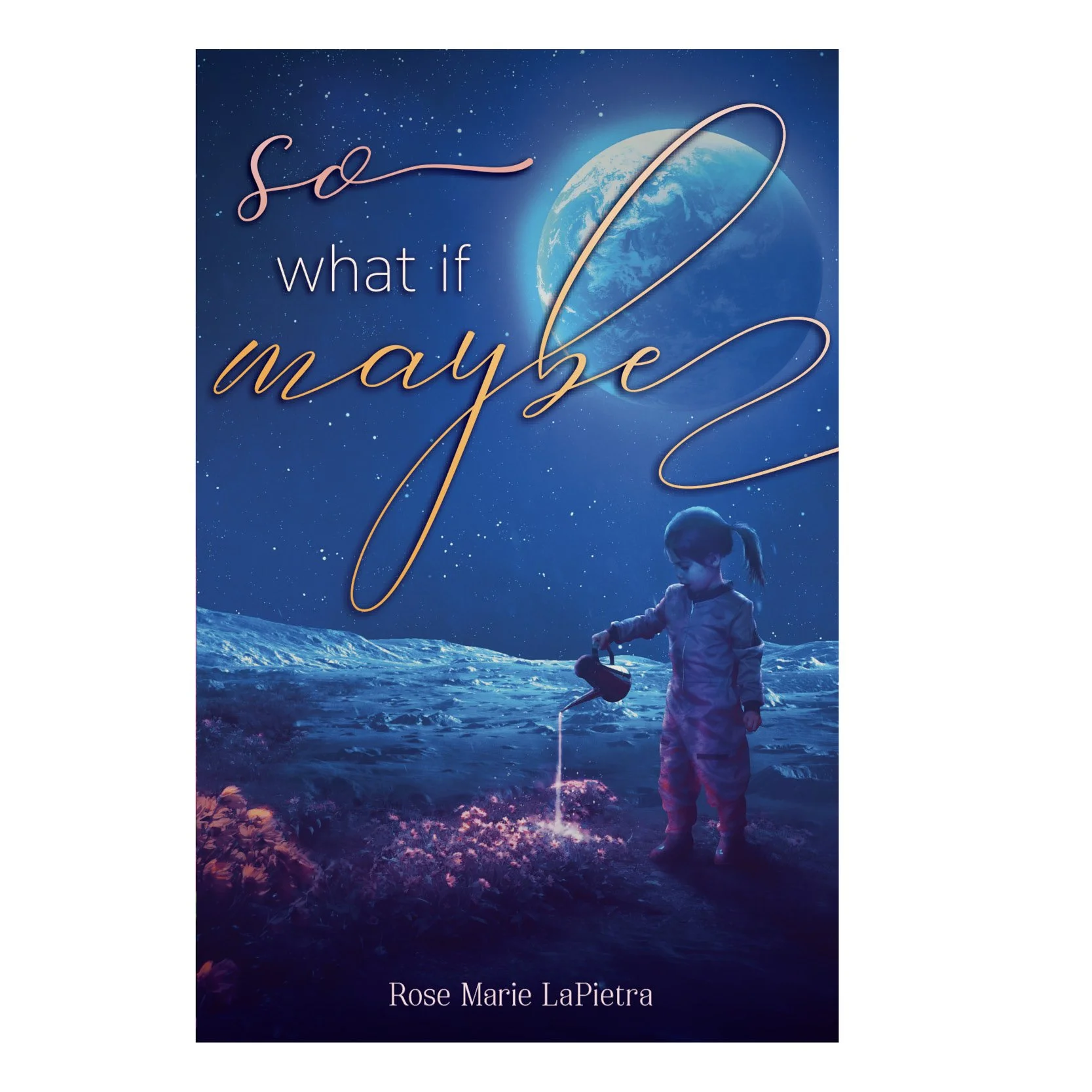
For every almost maybe
the ½ loves
the right hearts but the wrong time
the lonely nights
the rainy days
may these pages restore hope in your eyes
and peace in your heart
today, tomorrow and all the days to come
A book of poetry that explores topics such as coping with various emotions, navigating relationships, love, loss, cultivating self-compassion, and more. It highlights the journey of self-exploration, through vulnerability, mindfulness, uncertainty, and a lot of the messy things many of us relate to but often avoid talking about.
Ships directly from the author.

For fans of Alison Espach and Claire Lombardo, a poignant and thought-provoking debut novel about the fraught bond between mothers and teen daughters, the ripple effects of a tragic event in a small town, and the search for meaning after loss.
What if the only way forward is to let go of everything you know?
Kate’s life in the Hudson Valley seems picture-perfect: a thriving career as a realtor-slash-momfluencer, a devoted husband, and a strong bond with her brilliant teenage daughter, Indie. But when Indie’s best friend dies suddenly, their idyllic small-town haven begins to crumble. Kate and Ethan lose their footing, and Indie, alone in her grief, falls down an internet rabbit hole of nihilism and existential despair.
As Indie searches for meaning in a world that feels random and cruel, Kate struggles to reconcile her carefully curated online persona with the raw, unyielding grief tearing her family apart. When long-buried family secrets rise to the surface, she is forced to confront unsettling truths that challenge everything she thought she knew—about marriage, motherhood, and the stories we tell ourselves to survive.
Told in the dual voices of a mother and daughter grappling with loss, No One You Know is filled with poignant observations on parenthood, best friendship, class and political divides, infidelity in a small town—and the bitter truth that death can touch everything we love.
Release date: January 20, 2026. Shipping is included in all prices.

Uncover Ulster County's hidden history of unsavory characters and stories of its wicked past.
Situated in the scenic Hudson Valley, Ulster County is a lovely location to make a home and raise a family, but it wasn't always so pleasant. Unsavory characters and immoral events have sullied its name. In the 1870s, the Shawangunk Mountains inspired fear rather than awe, as groups like the Lyman Freer and Shawangunk gangs robbed and terrorized locals, descending from the protection of the wooded peaks. Kingston was torched, arson blazed in Kerhonkson and even the Mohonk Mountain House was threatened by flames. In 1909, the Ashokan Slasher's bloody crimes and sensational trial captured headlines across the country. Discover these and other salacious stories buried in Ulster County's history.
Ships directly from the publisher. Shipping’s included in all prices on the HVNY Marketplace

The Hudson River bridges, iconic structures of the New York State Bridge Authority, are the cornerstone of the Mid-Hudson Valley.
Opened in 1924, the Bear Mountain Bridge was the first vehicular crossing of the Hudson River, south of Albany. Twentieth-century growth in the Hudson Valley can be traced to each bridge opening, the result of grassroot efforts by local residents. The Mid-Hudson Bridge, named for the region these bridges span, was designated an “Engineering Epic” following the tipping of the east caisson that delayed construction for a year while engineers and laborers struggled to right that caisson in the waters of the Hudson River. The plan for the Rip Van Winkle Bridge required the creation of the New York State Bridge Authority, when funding was otherwise impossible during the Great Depression. Three more bridges were built connecting remaining areas of the Mid-Hudson region.The last crossing became the “twin spans” of the Newburgh-Beacon Bridge, the New York State Bridge Authority’s most traveled span. In 2010, the New York State Bridge Authority gained ownership of the bridge structure of the Walkway Over the Hudson, a pedestrian walkway built on the old Poughkeepsie Bridge, which opened for trains in 1889.
Kathryn W. Burke, educator, author, and director of Historic Bridges of the Hudson Valley, shares her appreciation and knowledge of these bridges through photograph archives of the New York State Bridge Authority; the Modjeski & Masters, Inc., engineering firm; and the Smithsonian Museum of American History. This is Burke’s second book on the Hudson River bridges.
Ships directly from the publisher. Shipping’s included in all prices on the HVNY Marketplace

Early each summer, rowing enthusiasts flocked to the Hudson Valley and crowded the banks of the Hudson River between Highland and Poughkeepsie, New York, to get a glimpse of the biggest intercollegiate event of its kind. In 1895, Cornell University, Columbia University, and the University of Pennsylvania organized a contest that continued for over 50 years in this historic location. Over its tenure on the Hudson River, other universities joined in the competition, including the famous 1936 University of Washington "Boys in the Boat." At its height, 12 universities vied for supremacy at the regatta with thousands of spectators looking on. Boathouses were built on both sides of the river with "Regatta Row" on the eastern shore at the center of it all. A legacy of rowing began on this famous four-mile stretch and inspired crews to continue rowing here today.
Ships directly from the publisher. Shipping’s included in all prices on the HVNY Marketplace

Complete guide to the best fly fishing streams and stillwaters in New York including detailed information on where to go, current fly patterns, and advice from local experts.
Publisher: Globe Pequot
Imprint: Stackpole Books
Binding: Paperback / softback
Pub Date: Sep 5, 2023
Shipping’s included in all prices on the HVNY Marketplace

This volume, by Catskills expert Mike Valla, showcases flies that work well on the water there and pays tribute to the region he knows so well. Though not a tying manual, each fly is featured in a spread that includes a large, easy-to-see image, recipe, and tying notes.
Publisher: Globe Pequot
Imprint: Stackpole Books
ISBN13: 9780811738774
Binding: Hardback
Pub Date: Mar 13, 2020
Shipping’s included in all prices on the HVNY Marketplace
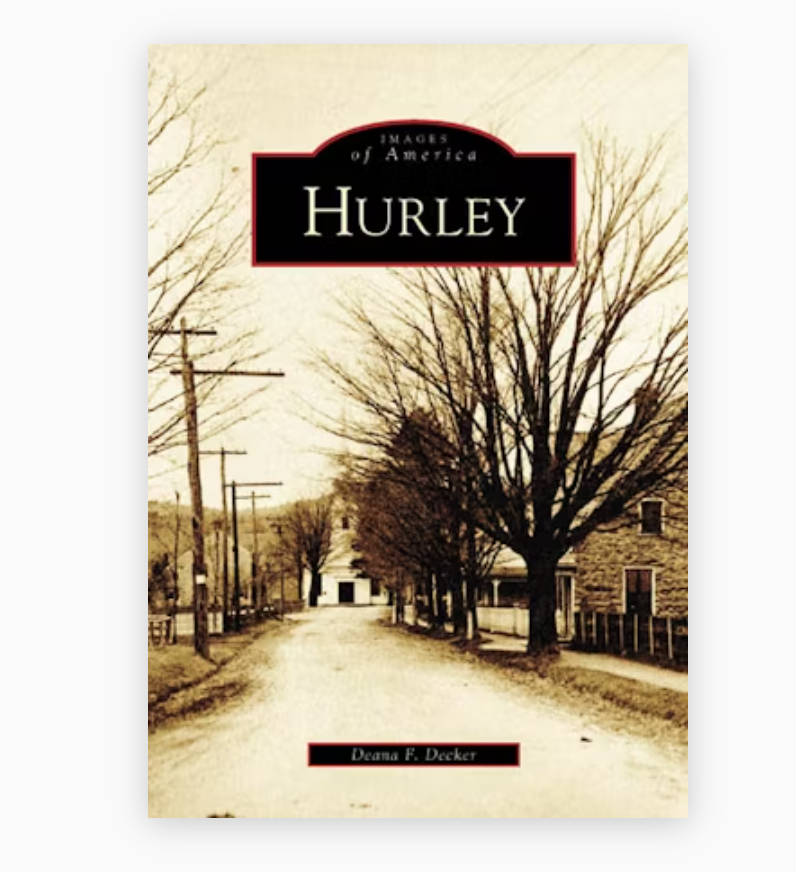
Hurley explores the historical area southwest of Kingston that is bounded by the Hudson River and the Catskill Mountains. It depicts the town of Hurley – a national historic district – and its individual hamlets of Hurley, West Hurley, Glenford, Morgan Hill, Ashton, and Eagles Nest. It shows stone houses dating back to the late 1700s, famed bluestone quarries of the 1800s, and reservoir construction that swallowed four of the hamlets in the early 1900s. Ships directly from the publisher.

Since its earliest days as a Dutch colony, Hurley, New York, has undergone many transformations: it has been fought over by the Lenape tribe, commandeered by British settlers, and buffeted between Revolutionaries and Loyalists as a strategic stronghold in the Revolutionary War. Local historian Deana F. Decker explores this Hudson Valley town's history with a comprehensive assessment of its notable residents, such as Sojourner Truth, as well as its historical buildings, such as the Bevier House and Hurley Mountain Inn. From its roots as the dangerous Esopus frontier region to its industrial metamorphosis through bluestone harvesting and the Ashokan Reservoir, Hurley chronicles the remarkable story of this Upstate town. Ships directly from the publisher.

Begin discovering the story you want to tell about yourself with a story coaching session, including access to a signature story questionnaire, with Amanda, the founder of Mighty Forces, a storytelling company dedicated to amplifying diverse, authentic voices in service of creating a more connected, inspiring world.
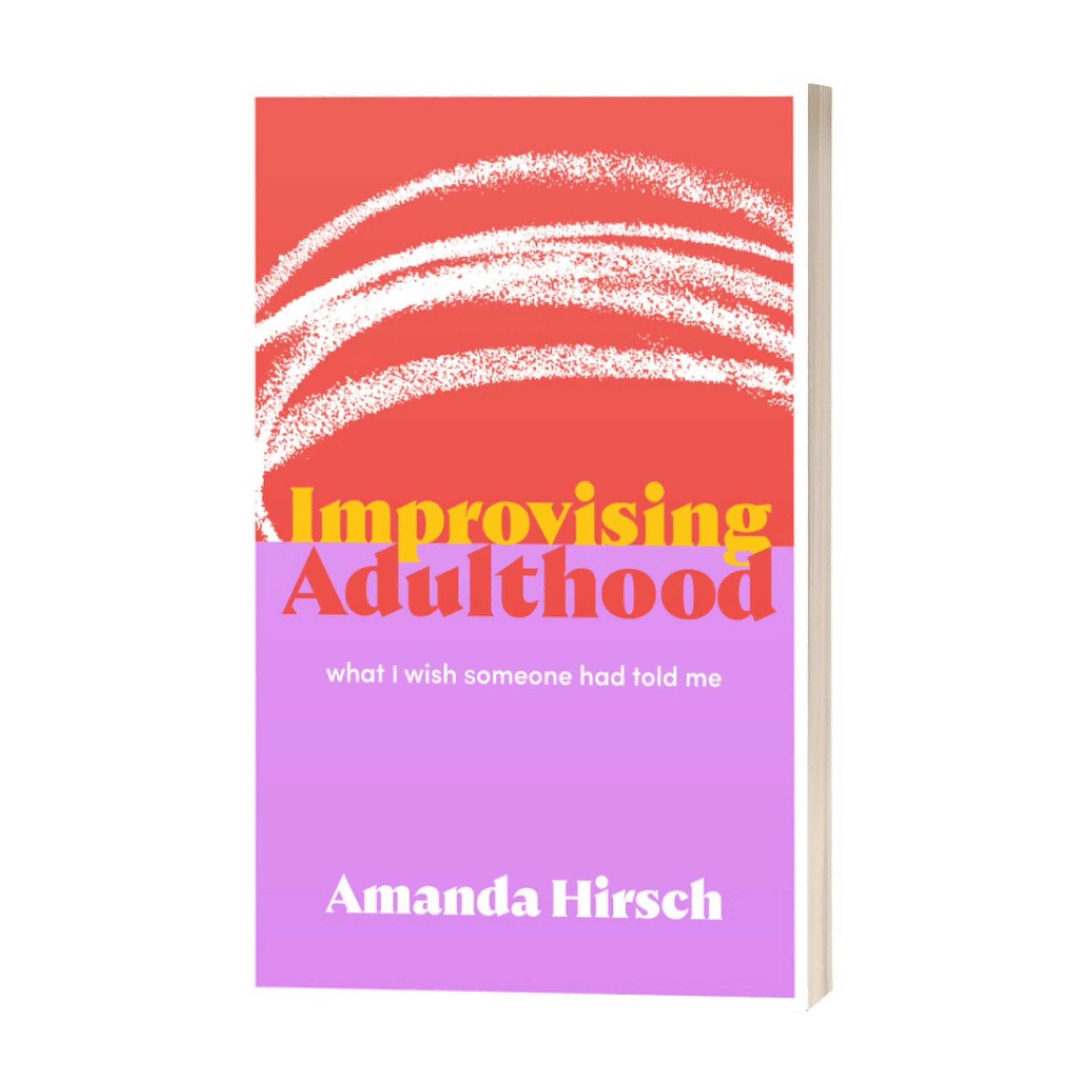
A guide to creative living, Improvising Adulthood invites you to embrace the idea that life is an improv show — something you create one choice at a time — rather than an exercise in living up to other people’s scripts.
Expect personal stories and creative prompts that help you apply the wisdom of improv to your own life, from the work you do to the people you spend time with and the experiences and places you explore.
Note: This is a digital download of the book directly from the author.
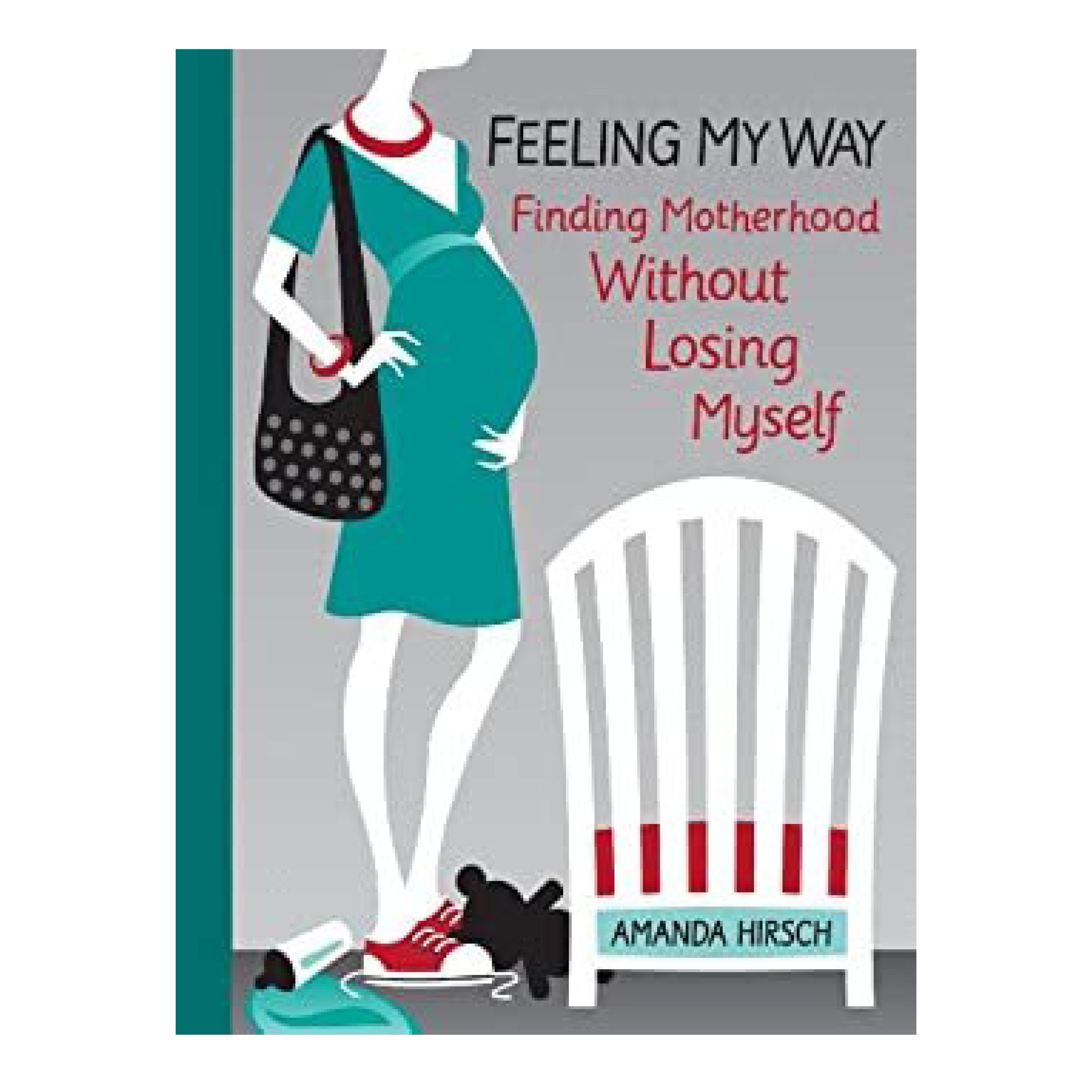
Author Amanda Hirsch was 34 years old when she and her husband decided they wanted to have a child. The decision was prompted when her doctor told her, "'Maybe' never turns into 'no,' and it only gets harder as you get older." Bam.
Hirsch found out she was pregnant in the middle of Hurricane Irene, and she chronicles the stormy emotions of pregnancy, from elation, to shock, to sheer terror at the prospect of what having a child will do to her life.
Like all women, Hirsch wears many hats — in her case, the hats include artist, business owner and wife; how will she wear the motherhood hat without sacrificing other parts of her identity that are so important to her? Once her daughter is born, she is overcome with love, and documents the disorienting rush of new motherhood, while showing us how she slowly re-inhabits the other parts of her life.
Motherhood does change her, but it doesn't limit her.
Note: This is a digital download of the book directly from the author.

Copied out by hand as a young man aspiring to the status of Gentleman, George Washington's 110 rules were based on a set of rules composed by French Jesuits in 1595. The first English edition of these rules was available in Francis Hawkins' Youths Behavior, or Decency in Conversation Amongst Men, which appeared in 1640, and it is from this work that Washington seems to have copied. The rules as Washington wrote them out are a simplified version of this text. However much he may have simplified them, these precepts had a strong influence on Washington, who aimed to always live by them. The rules focus on self-respect and respect for others through details of etiquette. The rules offer pointers on such issues as how to dress, walk, eat in public, and address one's superiors. Ships directly from Arcadia Publishing.

In 1948, Eleanor Roosevelt served as chairwoman of the United Nations committee to create this declaration of moral conscience, now used by Amnesty International as their founding document. This hardcover edition contains the international document in six languages: English, Spanish, French, Chinese, Russian, and Arabic. Ships directly from Arcadia Publishing.
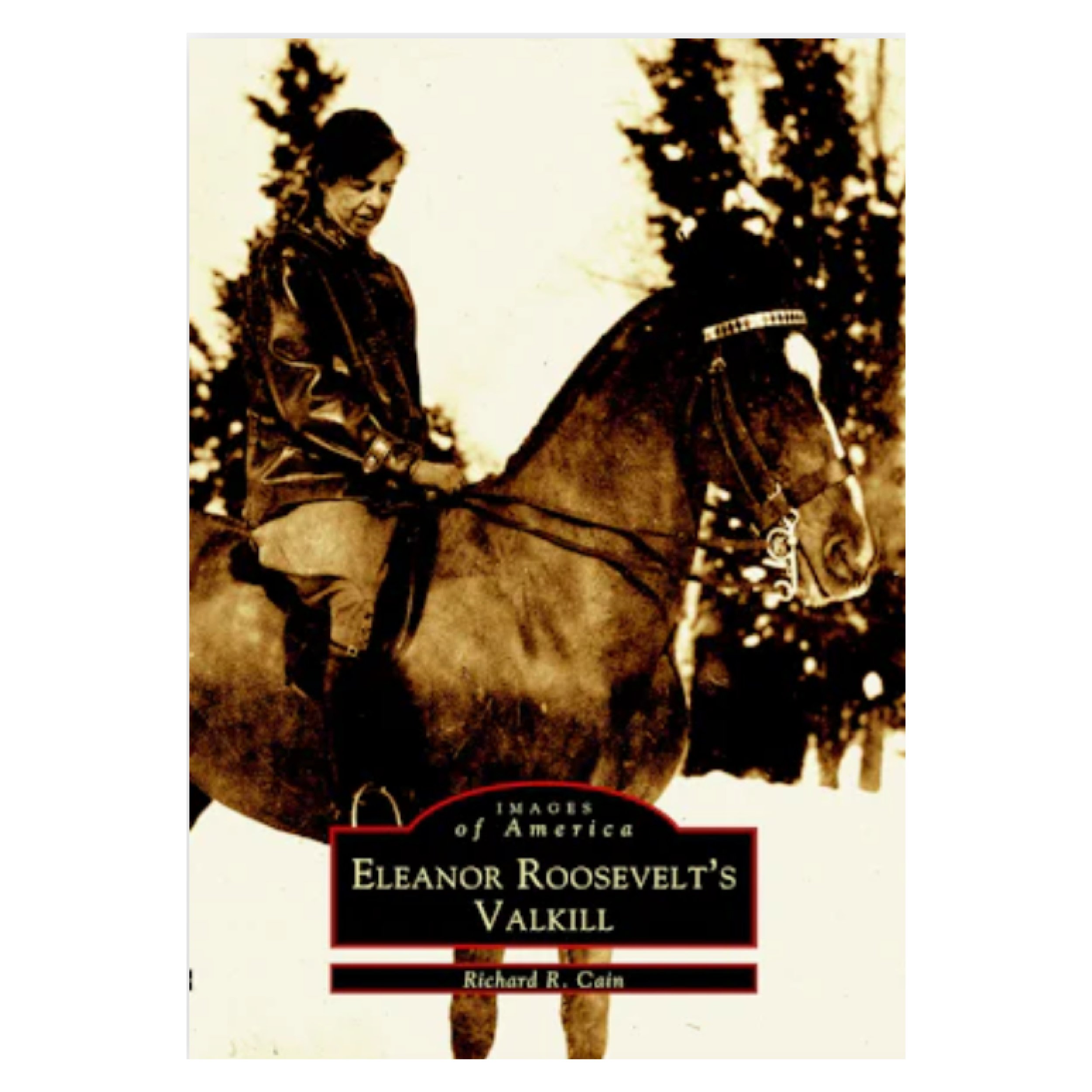
Governor's wife, president's wife, United Nations delegate, teacher, political activist, author, newspaper columnist, business owner, traveler, and mother-Eleanor Roosevelt was truly "First Lady of the World." With her very busy life, she sought peace, solitude, and renewal. She found all three at Valkill, her small stone cottage on the Roosevelt Estate in Hyde Park, east of the Hudson River. A National Historic Site, Valkill is operated by the National Park Service and is the only site in the country dedicated to the preservation of the memory of a presidential first lady. Ships from Arcadia Publishing.
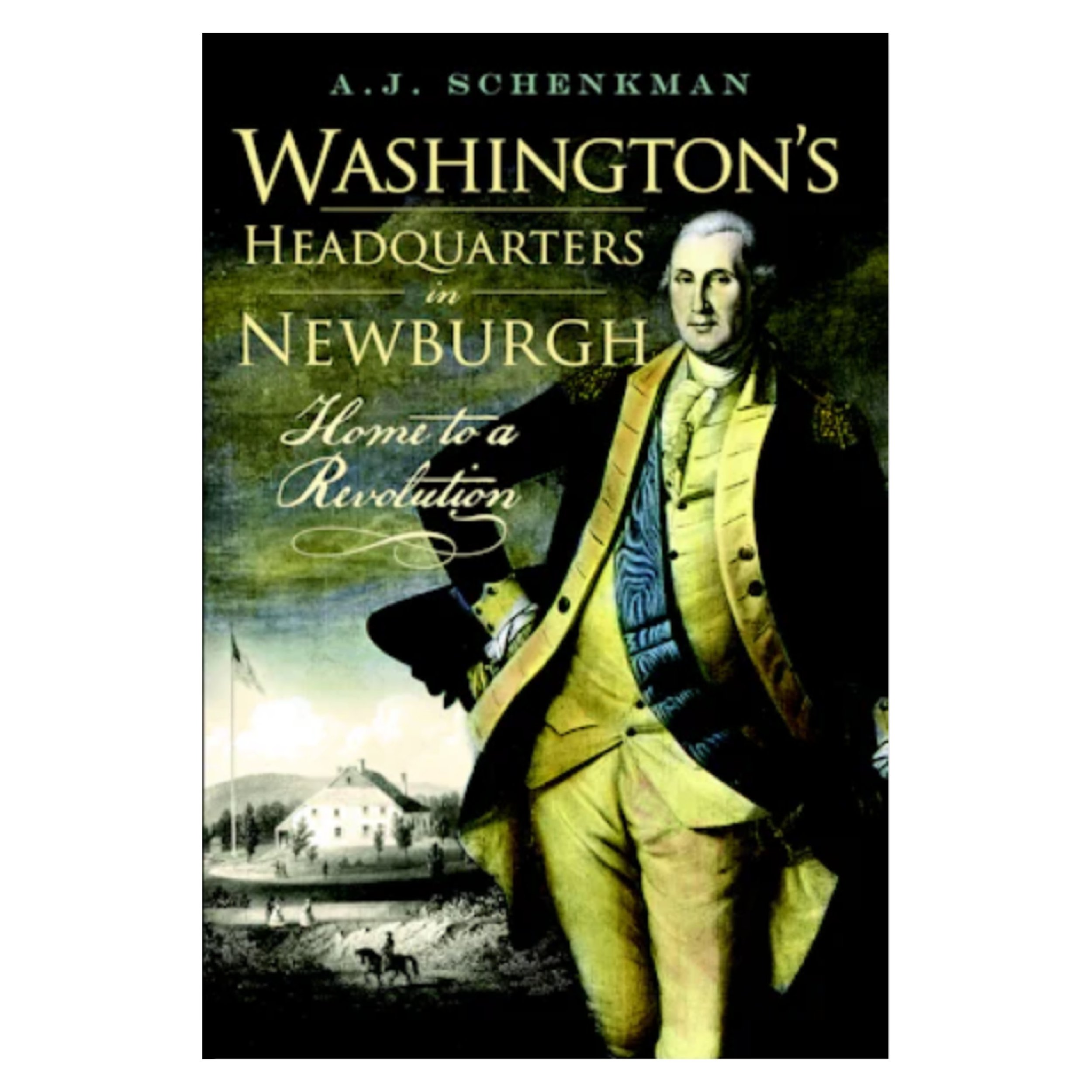
We know that Widow Hasbrouck opened her home to Washington in 1782, but the Hasbrouck family history itself has been distorted over the years by myths and legends. Much like the story of Washington chopping down the cherry tree, legend has it that the Hasbroucks and Washington would take a daily sojourn to the family orchards, where Jonathan Hasbrouck would first taste the general's fruit to ensure it was not poisoned. The truth is that Jonathan and Washington never met. In this revealing book, A.J. Schenkman finally dispels the rumors and relates the history of a prominent Newburgh family whose homestead ultimately became the nation's first publicly owned historic site in 1850. Ships from Arcadia Publishing.

This pocket-sized hardcover book contains nearly one hundred quotations from America’s longest-serving U.S. President, Franklin Delano Roosevelt. Ships from Arcadia Publishing.

Fall in Love with Rye: A Photographic Journey is an invitation to step into the heart of Rye, New York, and experience it through fresh eyes. In this stunning photo book, each page captures a piece of Rye’s rich character-from its sweeping coastal views along the Long Island Sound to hidden nature trails and landmarks steeped in history. Having moved here in 2015, the author found themselves captivated by the beauty they had once overlooked, discovering a Rye filled with depth, charm, and surprises.
More than just a collection of images, this book is a testament to the meditative joy of photography and a celebration of life’s quiet beauty. Each photograph is a window into the spirit of this small yet vibrant community, where even the smallest details tell a story-whether it’s the play of light on the water or the weathered architecture of historic homes.
Journey with the author through Rye’s hidden corners and timeless landscapes, and come away with a new appreciation for this coastal gem. Fall in Love with Rye invites you to see a familiar place with fresh eyes, and perhaps, to fall in love with Rye, too.
All items on the HVNY Marketplace ship directly from their makers + All prices include shipping.

While Mohawk Mountain is known as a small, family-friendly ski area, many are unaware of the large impact this mountain had on the sport. Its founder, Walt Schoenknecht, changed the face of modern skiing when he helped create the first snowmaking machine in 1950. That “artificial snow” machine, first tested at Mohawk, received the first U.S. patent for such a device. Today, Mohawk is one of the few surviving family-owned ski areas in the United States, and Schoenknecht’s daughter, Carol Lugar, remains its president. Mohawk has had to survive a devastating tornado, challenging weather and economic headwinds to compete with larger corporate-owned ski resorts. Today, the small mountain in Cornwall, Connecticut, remains a favorite, with new lifts, expanded snowmaking, more ski school lessons, snowtubing and night skiing. Local author James Shay reveals the unique contributions of Mohawk and Walt Schoenknecht to the sport of skiing. Ships from Arcadia Publishing.

One of the most popular pieces of American fiction is Washington Irving's The Legend of Sleepy Hollow, originally published in 1820 in Irving's short story collection The Sketch Book of Geoffrey Crayon, Gent. Set in New York's Hudson River valley after the American Revolution, it is rich with Dutch culture, regional history, and ghost stories. In schoolmaster Ichabod Crane and his adversary the Headless Horseman, Irving created two of the most unforgettable characters in American literature.
This short work is part of Applewood's American Roots series, tactile mementos of American passions by some of America's most famous writers and thinkers.
Pages: 56
Publisher: Arcadia Publishing
Imprint: Applewood Books
Publication Date: 31st October 2015
Format: Hardcover
Shipping’s included in all prices on the HVNY Marketplace
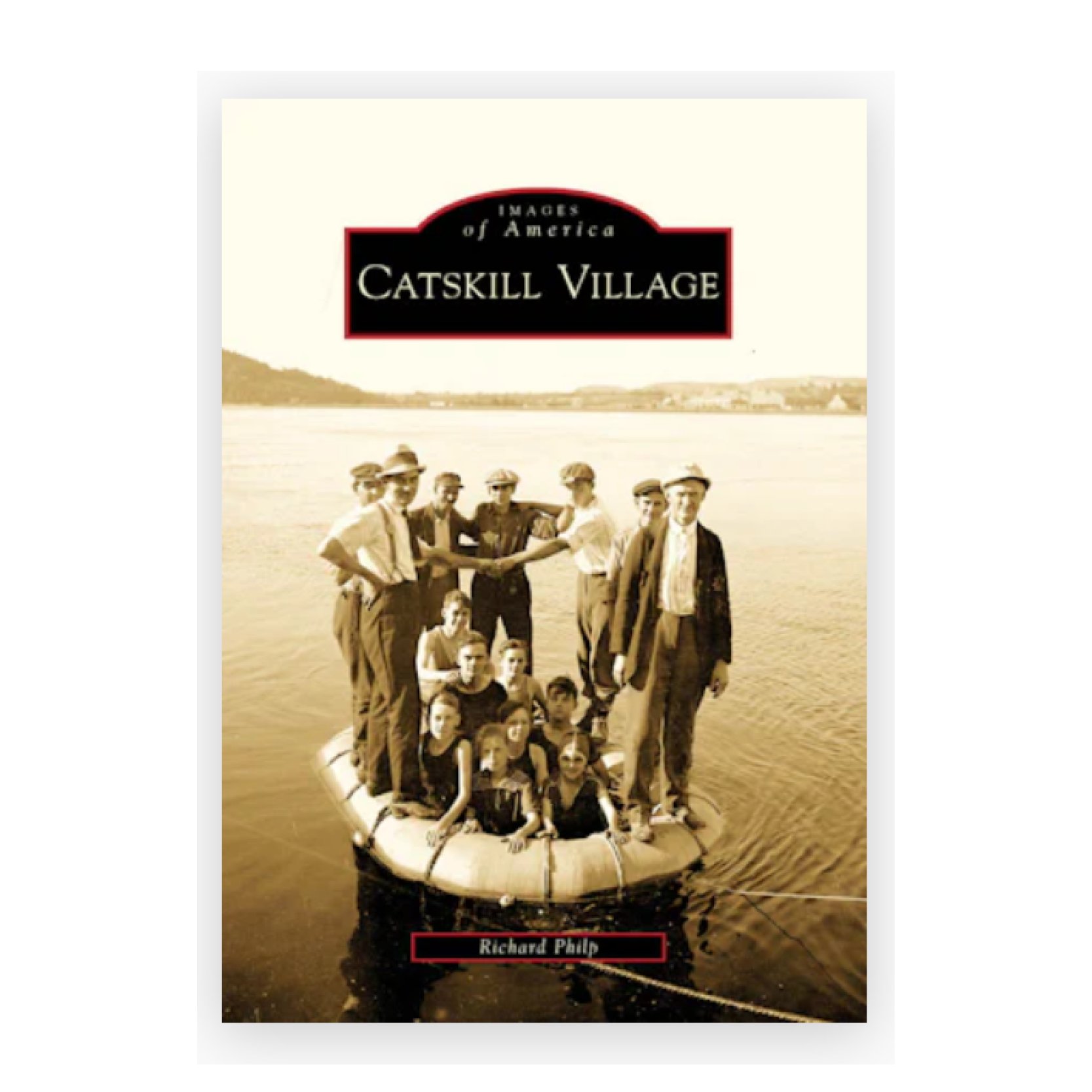
Catskill Village has deep roots in the long human history of the Hudson River Valley, from its native population who greeted Henry Hudson on his voyage upriver in 1609 to its early settlers. Today's village is located on the commercially advantageous landing on the Hudson River. In 1802, the Susquehanna Turnpike opened the village to the expanding western frontier, and Catskill Village became one of the most prominent commercial ports on the Hudson River. Local trades such as shipbuilding, tanning, farming, brickmaking, fishing, and tourism flourished. By the mid-20th century, the long era of prosperity had faded, only to rise phoenixlike in the past decade with an infusion of young professionals, artists, craftsmen, merchants, and those determined to save and restore the village's exceptionally rich architectural heritage.
Pages: 128
Publisher: Arcadia Publishing Inc.
Imprint: Arcadia Publishing
Publication Date: 18th May 2009
Format: Paperback
Shipping’s included in all prices on the HVNY Marketplace


“The Sad Happy Story of Twinkle Tee Tum” which tells the story of a shy crab who is too afraid to come out of her shell. Each book is accompanied by a crab keychain which leads to dozens of early literacy resources. This book is excellent for young readers (ages 2-6 years)