
Time to take in those bird feeders: Bears are back
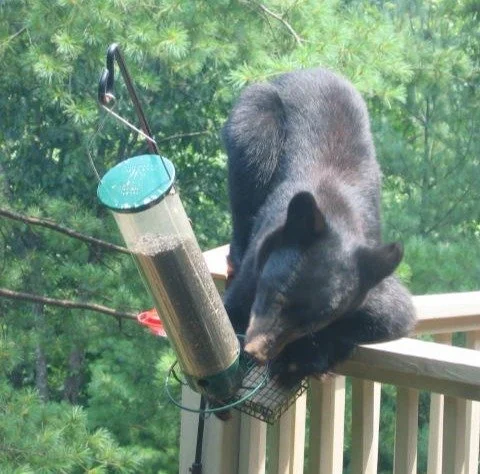
Photo: DEC
After a long winter, respite is on the way with warming days and buds breaking on branches across the Hudson Valley. Not only is the flora and fauna beginning its seasonal return, but Black bears (Ursus americanus) are also emerging from their 5-month-long hibernation, and they are hungry, and large, and will remember where there is food available, and keep coming back.
“If an activity results in food, they will repeat that activity,” officials with the New York State Department of Environmental Conservation say.
Black bears are omnivorous, eating grasses, berries, fruit, nuts, seeds, insects, grubs, and carrion, as well as human sources of food like corn, honey, bird seed, trash, and pet food when available.
But bird feeders are the cause of over 80-percent of bear problems around homes, according to the New York State Department of Environmental Conservation. That’s why the NYS DEC highly recommends that bird feeding activities cease by April 1, as bear activity increases. Bird feeding can resume November 30.
Birds do not require supplemental feeding, especially during the warmer months of the year, but bears are intelligent and will remember where they find food, especially after a long winter. Officials say, if bears successfully find bird seed at one home, they will inevitably approach other nearby homes. If bears become accustomed to feeding in yards and around homes and people, they may cause property damage and will likely become chronic nuisances.
Bear facts:
An average adult male weighs about 300 pounds while females average about 170 pounds. The dressed weight of the heaviest 2025 reported bear, harvested in the town of Olive, Ulster County, WMU 3C was 562 pounds.
Estimated at a minimum of 6,000-8,000 bears in areas open to hunting in New York State
Bears now occupy most areas of the state except Long Island and New York City, with 30-35-percent of the population inhabiting the Catskill region.
The age of the oldest bear harvested in 2024 (the most recent year for which age data are available) was 26-years-old. The bear was harvested in the town Mooers, Clinton County.
Hunters harvested an estimated 1,759 black bears during the 2025-26 hunting seasons. According to DEC’s tracking of the annual bear harvest since 1955 (PDF), the 2025 statewide bear harvest was second only to the 2003 season, and Southern Zone estimates set a new harvest record.
Tips on avoiding conflicts with black bears:
Make the first move: Remove bird feeders, take in any food left outside for pets, store garbage bins indoors.
A black bear usually has been nearby if you see clawed trees around 4-7 feet off the ground. Other indicators are black bear scat, black and in a pile, or ground digging spots.
If you see a black bear or are in an area where black bears may be, make noise. They will go away if they hear you. Avoid areas with berry bushes, or heavy bush areas.
If you do encounter a bear, NEVER run away; back away slowly. DO NOT stare, photograph them with large lens camera, feed them, climb a tree, or pet their cubs (!).
If you see a bear, walk away slowly at a 45-degree angle in the direction you came from. Speak to yourself in a calm, appealing tone. Keep your eyes on the bear to see how it will react.
If the bear is grunting and snapping their jaw, this is a sign you’re too close. If they start jumping up and down, that’s the second warning that you’re too close.
To reduce the chance of negative black bear encounters around your home, DEC recommends these precautions:
Never feed bears! It is illegal, dangerous and detrimental to bears. If you believe bears are being fed in your area, or suspect a nuisance bear situation, report it to DEC immediately.
Take down bird feeders by April 1. Birds do not need supplemental food in the spring and summer, when natural foods are most abundant (even if you believe your birdfeeder to be inaccessible to bears, the bird seed will drop seed on the ground, which attracts bears to your yard).
Clean off barbeque grills before nightfall (don't forget the grease trap), and if possible, store grills inside when not in use.
Store garbage in a secure building or location, secure can lids with ropes/bungees/chains, never over-fill cans, and dispose of garbage as frequently as possible.
If you live in an area where bears may occur, put garbage containers out by the curb just before the scheduled pick-up, not the night before.
If you live in a densely populated bear area, consider using a certified bear-resistant garbage container.
Clean garbage cans frequently with ammonia products.
Do not burn garbage, it is illegal and can attract bears.
Do not add meat scraps, bones or melon rinds to your compost pile.
Feed pets indoors and store pet food indoors. If pets must be fed outside, immediately remove all uneaten food and dishes.
Read more about bears and bird feeders + Tips to reduce conflicts with bears from the DEC
Sources + more info:
DEC: Black Bears Facts - https://www.dec.ny.gov/animals/6960.html
DEC: Avoiding bear-human conflicts https://www.dec.ny.gov/animals/6995.html
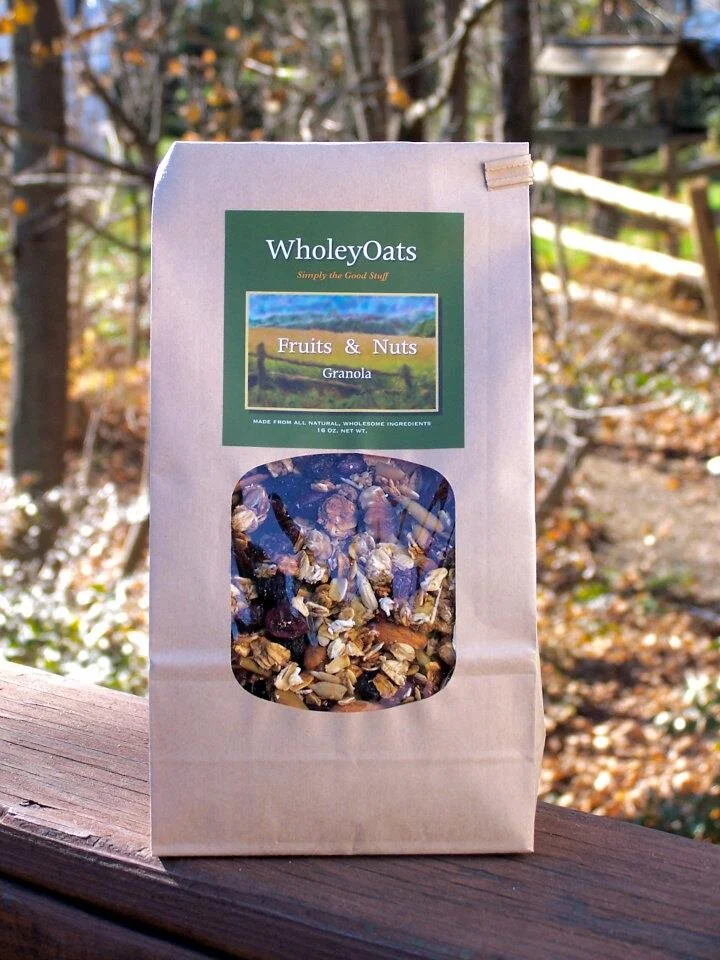
This granola is for the fruit lover in the house. A delicious combination of dried blueberries, cranberries and tart cherries accompanied by non-GMO whole grain oats, organic oat bran, organic flaxseed meal, raw sunflower seeds, raw pepitas, raw almonds, raw walnuts all mixed with a little bit of unsweetened fresh pressed apple juice & pure organic maple syrup to give this granola a slight crunch and flavor. Low in sugar and fat - enjoy :)
SHIPPING’S INCLUDED! All items in the HVNY Marketplace ship directly from their makers, for free.


To enjoy all that New York state roadways have to offer, jump in the car and drive to sweeping lake or ocean views, lush vineyard landscapes, or breathtaking mountain vistas. Featuring more than 1,900 miles of scenic routes and byways, this indispensable highway companion maps out unforgettable trips for exploring New York’s natural beauty. Scenic Driving New York features thirty separate drives through the Empire State with delicious ice cream stops and fun side trips along the way. Buckle up and begin your next journey!
Publisher: Globe Pequot
ISBN13: 9781493058228
Binding: Paperback / softback
Page Count: 384 Pages
Pub Date: Apr 1, 2021
Shipping’s included in all prices on the HVNY Marketplace

In 1870, the New York Herald proclaimed that Ulster County was New York's Ulcer County due to its lawlessness and crime. The columnist supported his claim by citing that in only six months, it has been the scene of no less than four cold blooded and brutal murders, six suicides and four elopements. Hannah Markle--the bane of the Woman's Christian Temperance Union--ran a Kingston saloon where murder and violence were served alongside the whiskey. John Babbitt confessed on his deathbed to murdering Emma Brooks, and Willie Brown--reputed member of the Eastman Gang--accidentally shot his best friend. The infamous Big Bad Bill, the Gardiner Desperado, lashed out more than once and killed in a drunken rage. Discover the mayhem and murder that these and others wreaked on one of New York State's original counties.
About the author
A.J. Schenkman is a historian, educator, and author. He specializes in uncovering the “hidden” human stories of American history, particularly within the Hudson Valley. His storytelling approach to history, which he calls “History Made Seamless,” uses personal narratives over dry dates and battles. His body of work includes Wicked Ulster County and Murder and Mayhem in Ulster County, as well as broader historical investigations such as Patriots and Spies in Revolutionary New York and his 2025 release, Hispanic Americans in the Civil War. In addition to his adult non-fiction books, he has also authored a children’s book, Franklin’s Trees, which explores FDR’s passion for conservation.
Ships directly from the publisher. Shipping’s included in all prices on the HVNY Marketplace
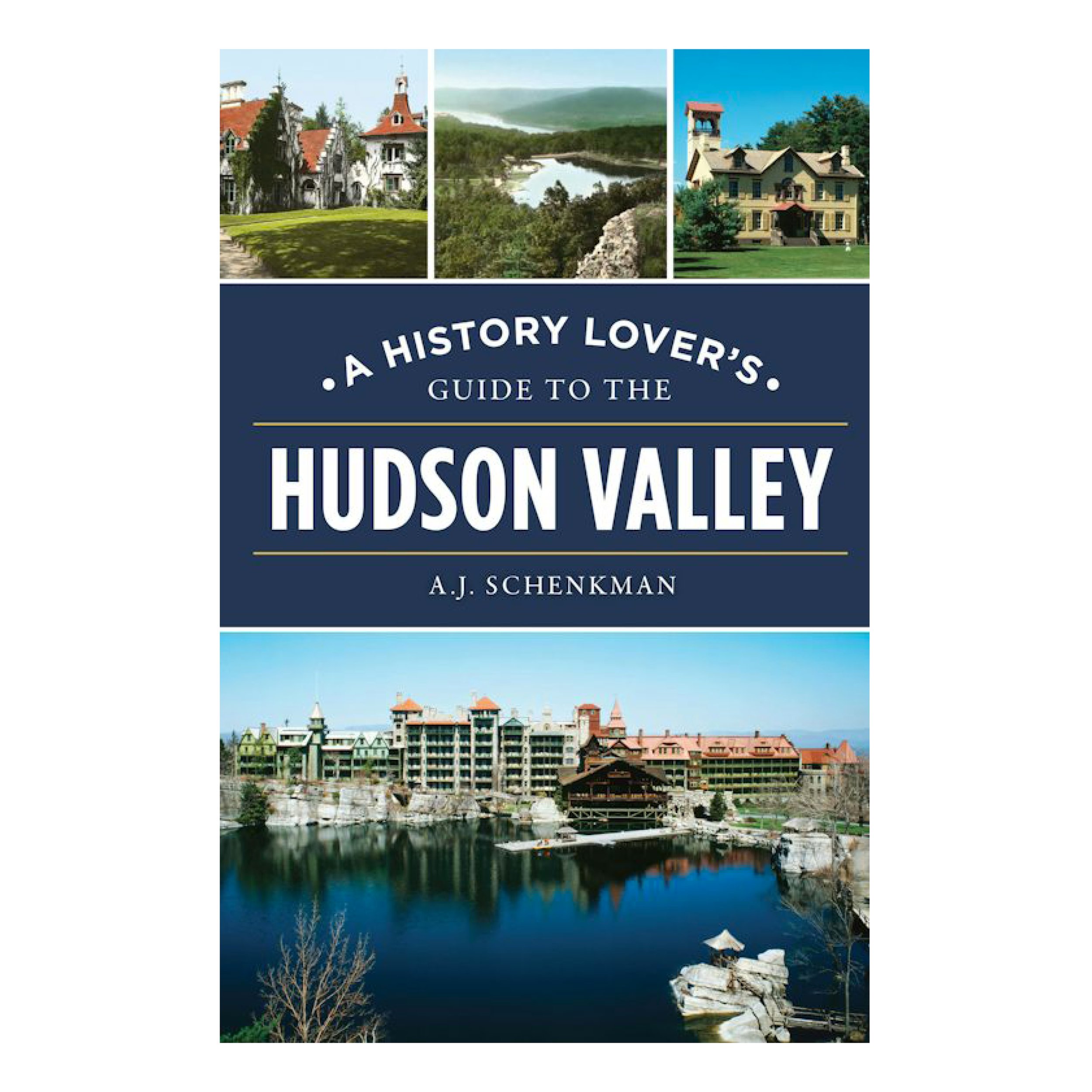
Publication Date: November 3, 2026
The Hudson Valley is more than just scenic vistas — it is the birthplace of American history. Go beyond the traditional guidebook to counties nestled along the east and west banks of the majestic Hudson River. From Native American settlements and Dutch colonial roots to the rise of the English, history unfolds at every turn in the river. Discover Newburgh, where Washington had his longest headquarters of the Revolution. Explore the quaint town of Kingston, home of the state’s first capital. Learn how the pivotal Battle of Saratoga turned the tide of the American Revolution. Admire the artistic heritage of Frederic Church’s Olana, the vast Gilded Age estates, and the nation’s first presidential library in Hyde Park. Join local historian A.J. Schenkman as he traces the forgotten histories and vibrant heritage of one of America’s most historic regions.
About the author
A.J. Schenkman is a historian, educator, and author. He specializes in uncovering the “hidden” human stories of American history, particularly within the Hudson Valley. His storytelling approach to history, which he calls “History Made Seamless,” uses personal narratives over dry dates and battles. His body of work includes Wicked Ulster County and Murder and Mayhem in Ulster County, as well as broader historical investigations such as Patriots and Spies in Revolutionary New York and his 2025 release, Hispanic Americans in the Civil War. In addition to his adult non-fiction books, he has also authored a children’s book, Franklin’s Trees, which explores FDR’s passion for conservation.
Ships directly from the publisher. Shipping’s included in all prices on the HVNY Marketplace
Prince Nyle of Wisteria, newly 17, is set to sail the Floral Sea with Captain Oxford, his father’s lead commander. Nyle’s heart longs for adventure, but it also longs for Adelaide, his childhood best friend. However, like in any classic fairytale, Nyle’s father has forbidden him from marrying a commoner. Unbeknownst to the feuding father-son pair, Captain Oxford is plotting with King Oleander of Chrysanthemum to seize control and rule the Flower Alliance. As Oxford’s plot is revealed, Nyle, Adelaide, and a misfit band of heroes work together to stop Oxford and restore peace. In part two, King Oleander’s son, Henbane, finds a piece of a treasure map that will lead to answers surrounding his mother’s death. Theo, a pacifist from Poppy (the island of war), and Emma, a healer from Amaranth, get caught in the treasure hunt. King Alastair of Poppy seeks the lost treasure for himself. With the democracy of the Flower Alliance once again at risk, Theo and Emma team up with familiar friends to find the treasure.
Paperbacks & hardcovers are printed on demand. Paperbacks are $26, and Hardcovers are $32.
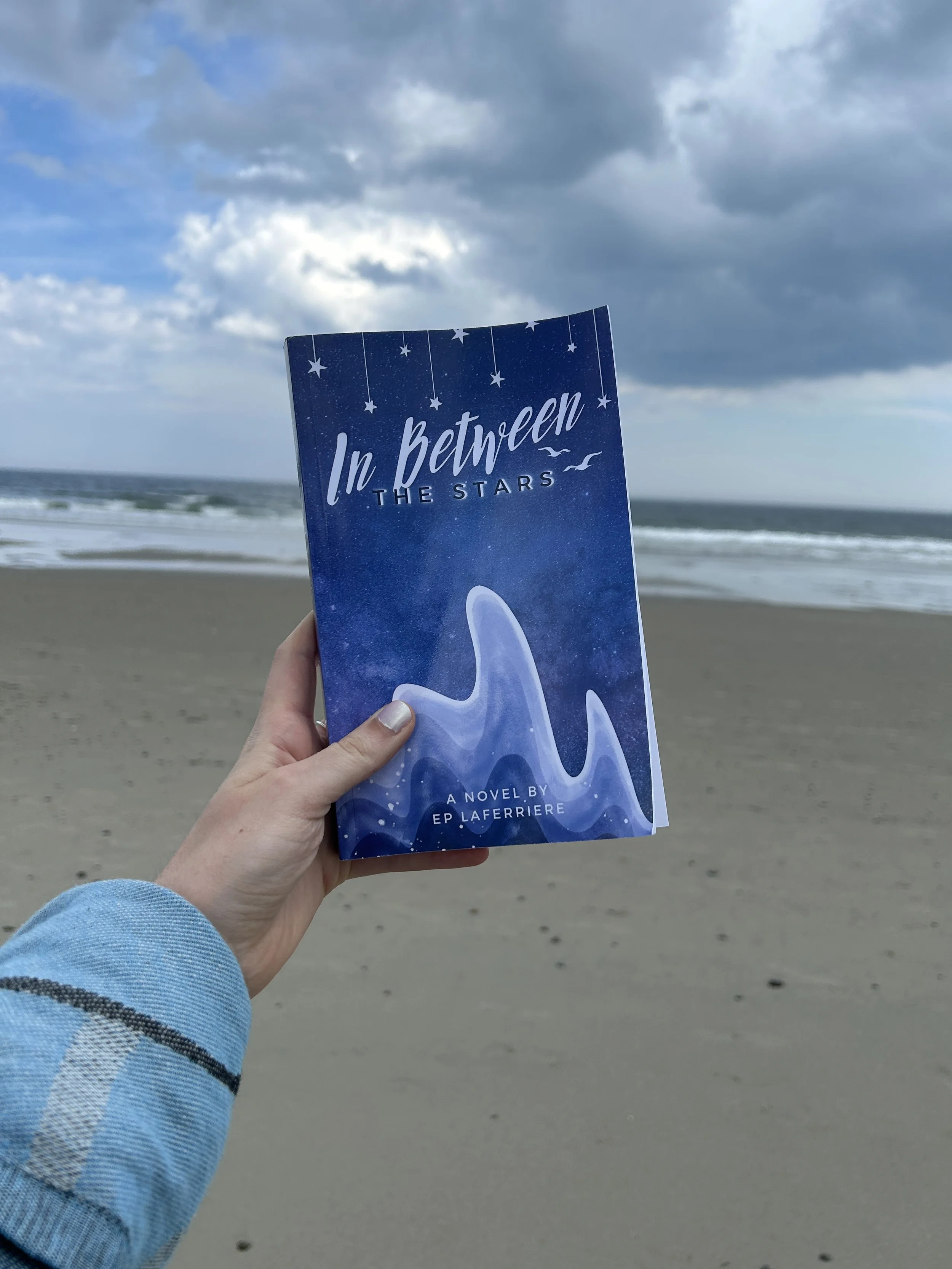
Every summer, Erica Margot and her family head to Maine for a month. This summer is different — not only is it the summer before her senior year, but her twin brother’s best friend, Cameron, is tagging along. And he’s kind of hot. But she doesn’t have time for romance, does she? Can she be a strong, independent woman in STEM but also desperately want a boyfriend? While checking off annual family traditions, Erica Margot tries to grapple with who she is — and how to put it into a college application essay — along with her growing feelings for Cameron. As a straight-A student, she’s constantly afraid of coming across as high-maintenance and arrogant instead of determined, and she’s scared Cameron will think he’s holding her back. Despite her sorta-kinda-high-maintenance-ness, Erica Margot’s family vacation is full of silliness, inside jokes, and an absurd amount of ice cream. And maybe that’s exactly what she needs to figure out what life is all about, and to find her place in between the stars.
Paperbacks are printed on demand.
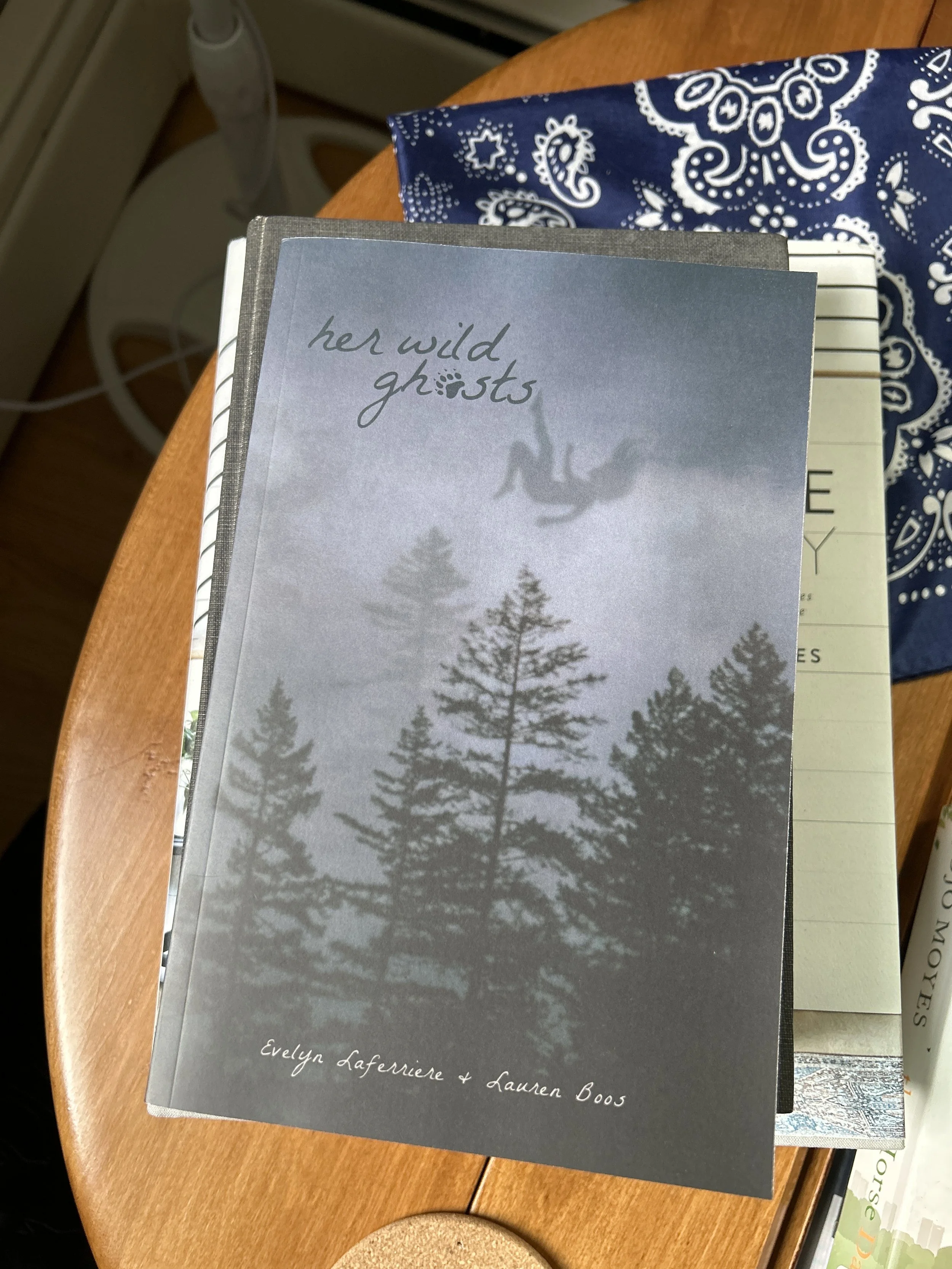
One mountain, three victims. Strangers and old friends spend the night on Mount Macabre, but not all of them make it home. The local Sheriff navigates difficult personalities, decodes lies, and unravels secrets on the haunted summit she knows all too well. How long will it take, and how many lives will be ruined in the process?
Paperbacks & hardcovers are printed on demand.

The truth is out there, hidden in remote, tucked-away corners of the Hudson River Valley…Are you ready to uncover it?
In Hauntings of the Hudson River Valley, author Vin Dacquino strives to discover the true story behind three enigmatic folk legends: Sybil Ludington, Chief Daniel Nimham, and George Denny. Each was the central figure in a dramatic series of events; each became enshrined in local lore for their actions; each has had their true story obscured; and each may have left behind a spiritual residue. Follow Dacquino as he interviews local experts, explores areas where hauntings may have occurred--such as Carmel's legendary Smalley's Inn – and digs deep into historical archives to open new windows into the lives and possible afterlives of these three mysterious characters.
Pages: 128
Publisher: Arcadia Publishing
Imprint: The History Press
Publication Date: 15th November 2007
Format: Paperback
Shipping’s included in all prices on the HVNY Marketplace
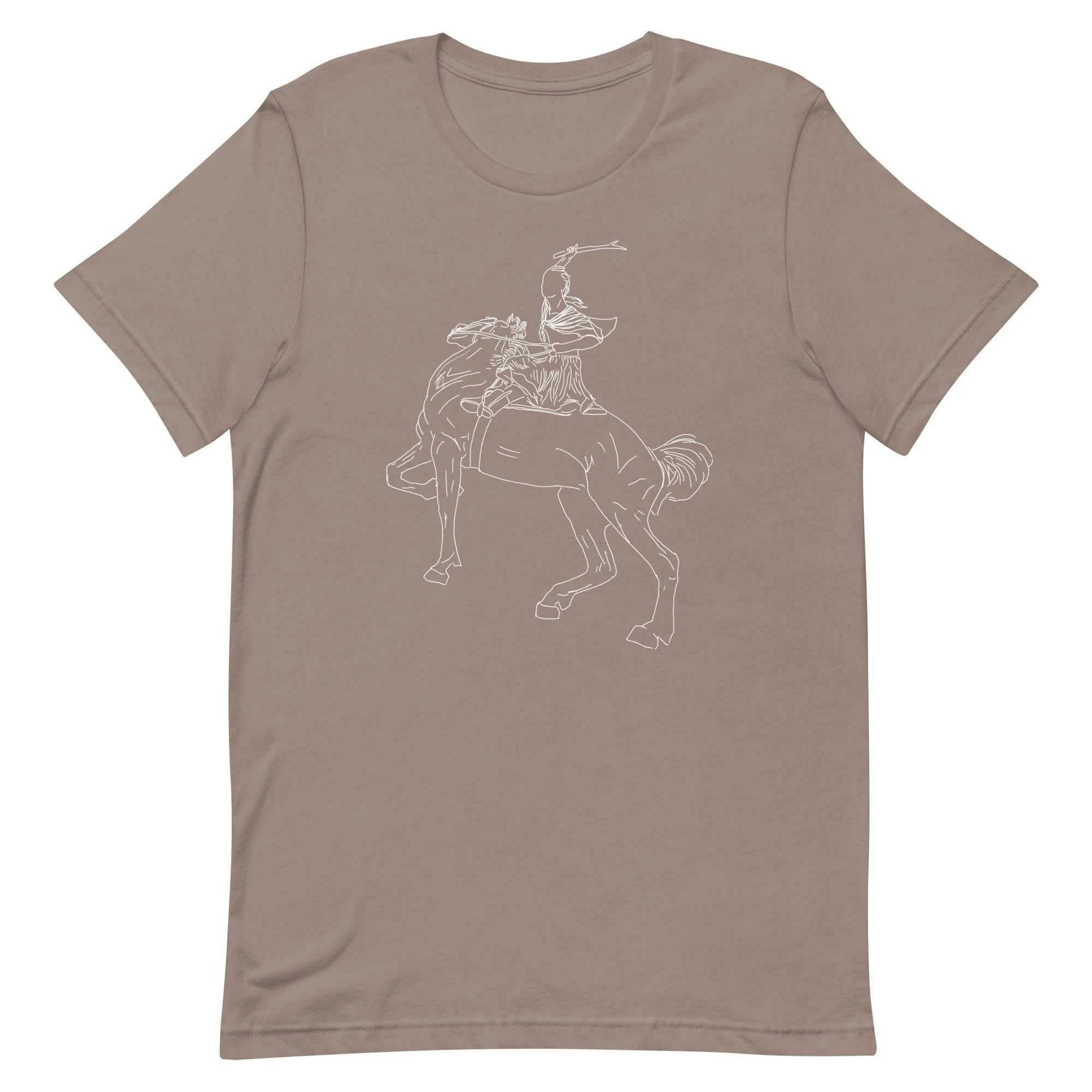
Hand-drawn illustration of the Hudson Valley’s Revolutionary War siren Sybil Ludington on 100% combed and ring-spun cotton (Heather colors contain polyester). Made to order. Price includes shipping.
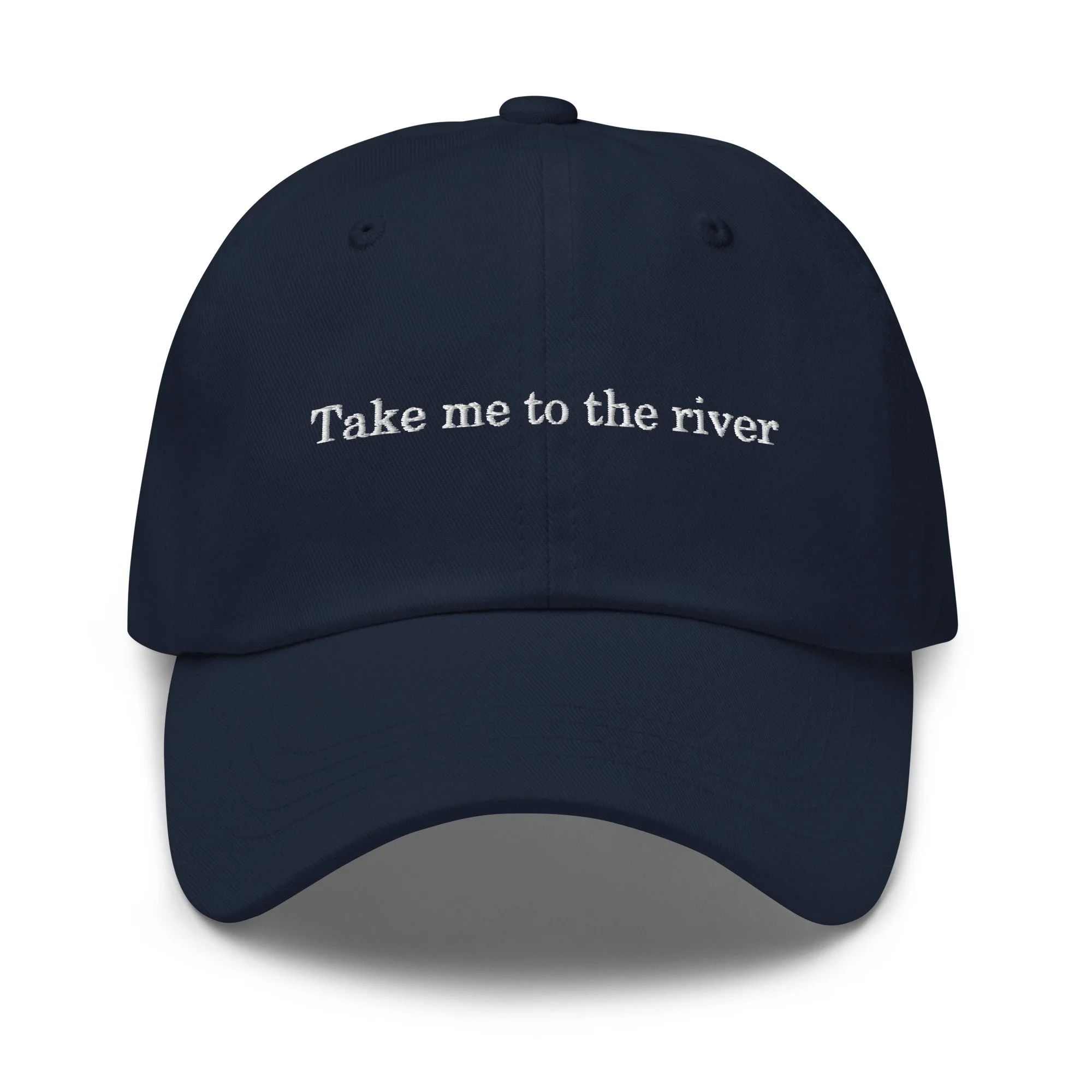
Escape, in your head at least, to the riverside with this 100% chino cotton twill low-profile hat with adjustable strap and antique buckle. Made to order. Shipping’s free.
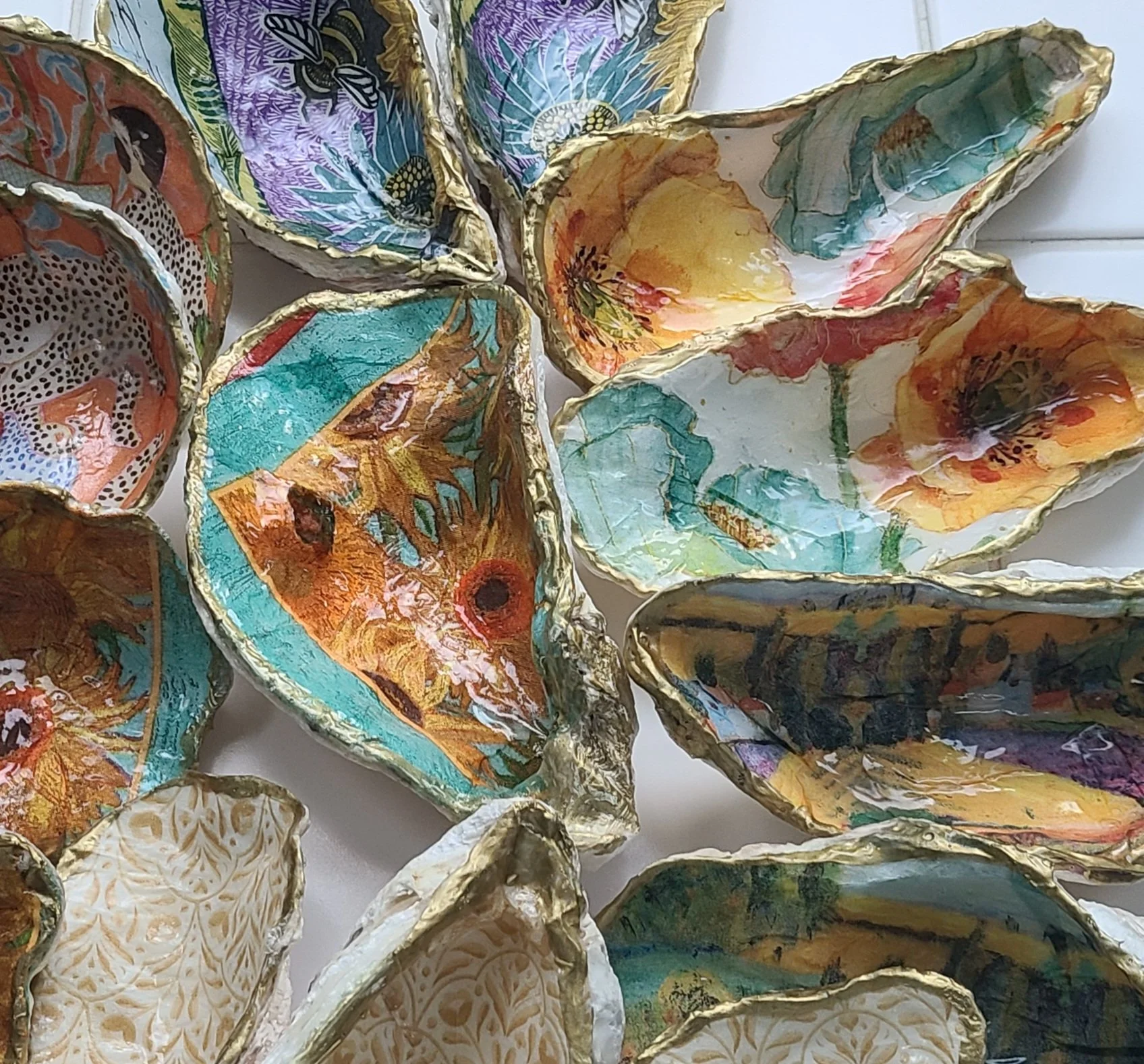
Handmade oyster shell trinket dishes. Not food safe but perfect for jewelry or other trinkets! One of each, as pictured. Price includes shipping.
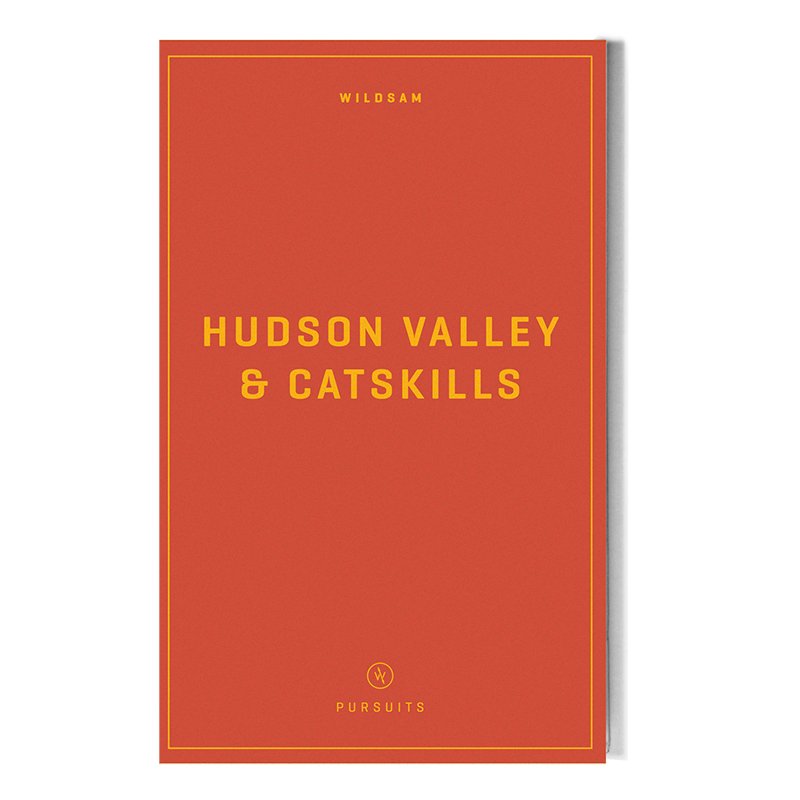
Updated for 2026! Wildsam Field Guides: Hudson Valley and Catskills leads travelers along the mighty Hudson River, into colorful forests and through mystical mountains with guidance from trusted locals and experts.
Stories from prize-winning writers, past and present
A detailed road trip plan and profiles of 10 idyllic towns
Interviews with artists, preservationists, brewers and hardware store owners
Delightful miscellany from the archives, selective recommendations about authentic Catskills experiences and a deep dive into the world of art history and antique collecting.
Shipping included in price. 128 pages, printed in the USA. 4x6.5” - Back pocket size
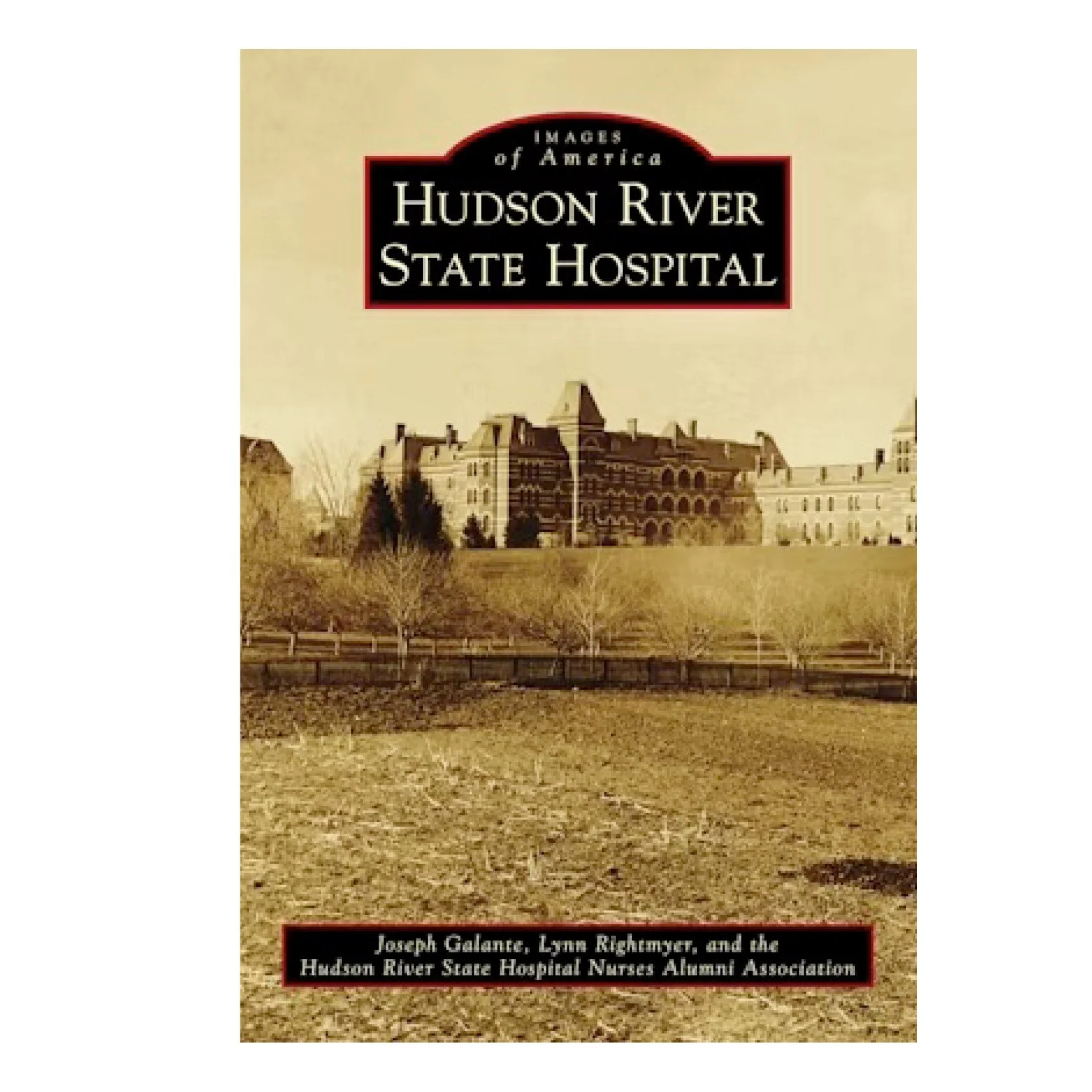
For 141 years, Hudson River State Hospital was home to tens of thousands of individuals suffering from mental illness.
Famous architects Frederick Clark Withers and Calvert Vaux drafted the main building in 1869. The facility grew from a 208-acre parcel in 1871 with seven patients to 752 acres with five dozen separate buildings containing nearly 6,000 patients in 1954. The main building was constructed on a Kirkbride plan, a treating philosophy centered around an ornate building of equal proportions staffed by employees who integrated dignity and compassion into health care. Famous architects Frederick Clark Withers and Calvert Vaux drafted the main building in 1869. The landscape was penned by Frederick Law Olmsted, perhaps best known for the design of New York City's Central Park. Ships for free directly from Arcadia Publishing.
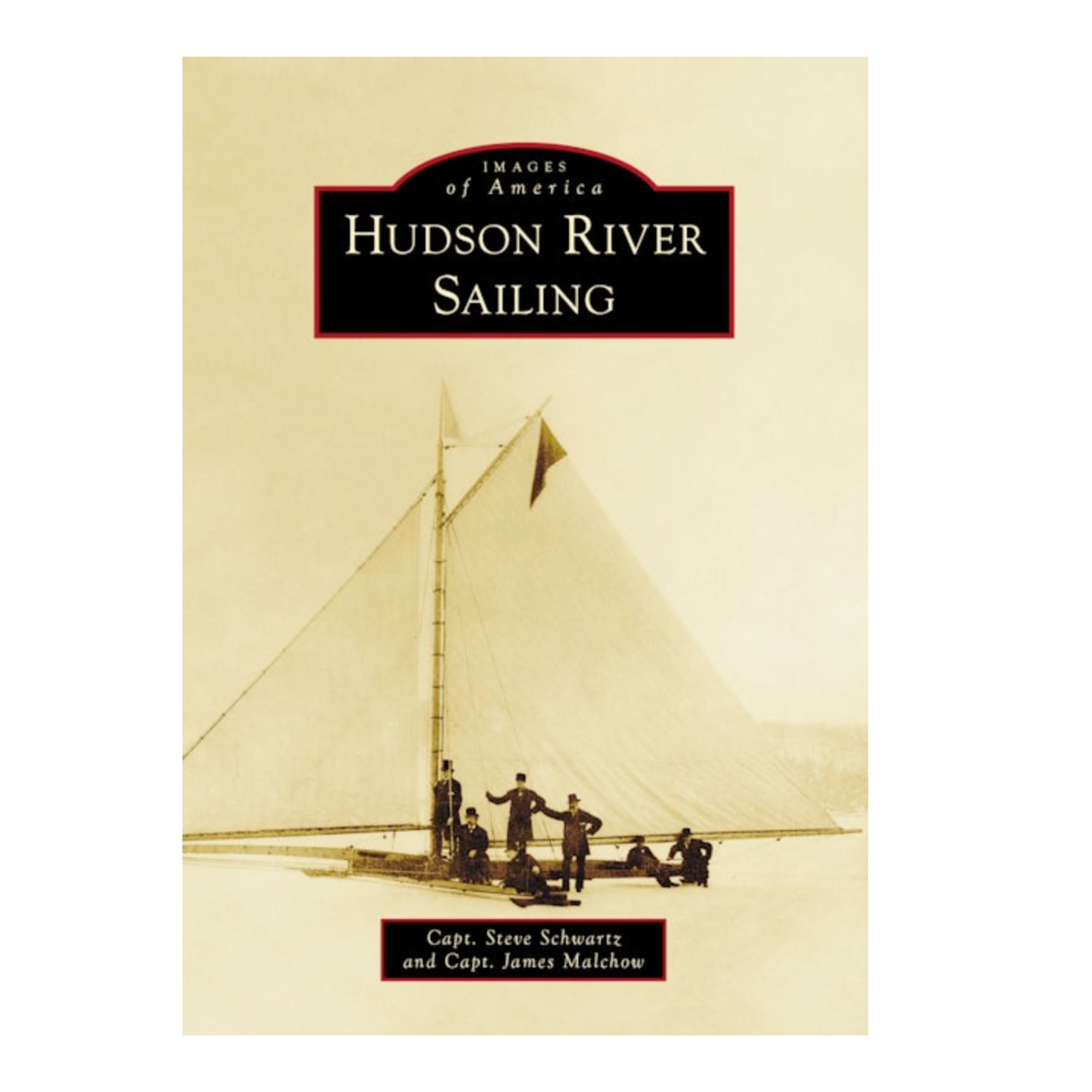
The history of New York is inseparable from the history of sailing on the Hudson River. Beginning with Henry Hudson in 1609 the Dutch and English extended their empires into the Hudson Valley and extracted its bounty via sail.
Control of the Hudson River was a lynchpin for American victory in the Revolutionary War and New York City's 19th-century rise to global prominence was powered by the sailing vessels on its waterways. Upriver, sloops and schooners delivered goods from the nation's interior and international whaling businesses operated from Hudson and Poughkeepsie and Kingston and Newburgh became noted shipbuilding centers. Yacht racing and ice yachting emerged as popular sports among wealthy families like the Astors and Roosevelts. Sailing clubs preserved these traditions into the 20th century. Since the 1960s, activists including Pete Seeger have used sailboats to galvanize a movement to revive the river ecosystem. Today, the river is home to new generations of sailors continuing these traditions into a fifth century.
Steve Schwartz has sailed and captained numerous sailing and motor vessels on the Hudson River since the 1970s. He and James Malchow are both captains on the Hudson River ferry sloop Woody Guthrie. Images in this book, collected from local libraries, historical societies, the New York State Archives, Library of Congress, and private collections, capture the people, places, and ships that have made the Hudson River an important sailing center for over four centuries.
Shipping’s included in all prices on the HVNY Marketplace
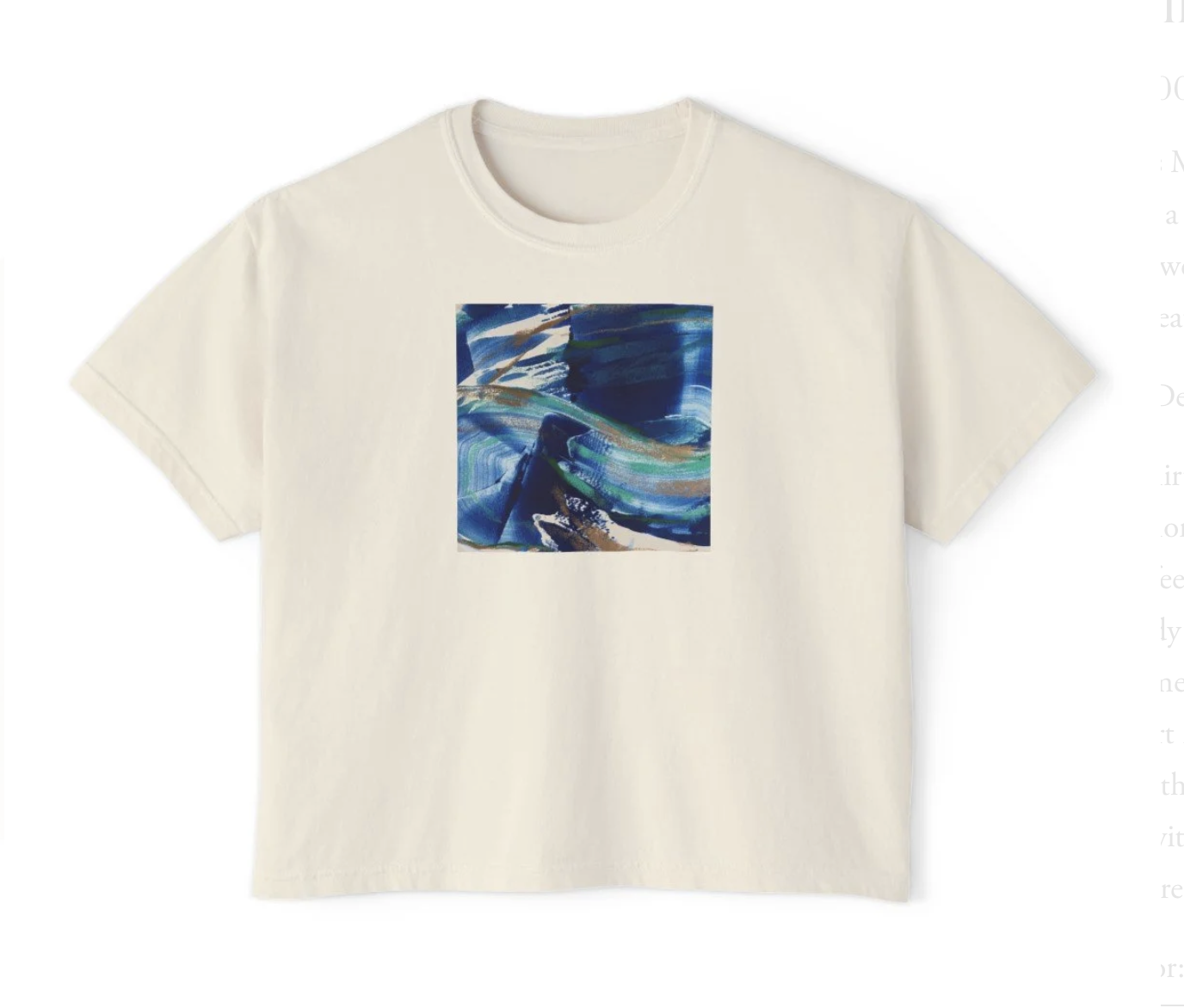
This shirt features Allison Walker’s "Two Waters Meeting" piece, depicting two ocean tides coming together. “It is a piece about two lives, or two big ideas, coming together. I like wearing this over my heart and lungs, it feels like fresh breath & an open heart!”
Available as a Festival Crop, a Classic Tee or Lightweight Crewneck Sweatshirt
All items on the HVNY Marketplace ship directly from their makers + All prices include shipping.

"Walking on Water" is a recurring theme of Allison Walker’s, depicting the “walking-on-a-tidal-wave nature of spiritual journeys. The deep blue and bright gold represent a journey with range.”
All items on the HVNY Marketplace ship directly from their makers + All prices include shipping.

Design by Peekskill resident Evan Rosen
50% of all proceeds will be donated to The Lenape Center
• Ayous wood .75″ (1.9 cm) thick frame from renewable forests
• Paper thickness: 10.3 mil (0.26 mm)
• Paper weight: 5.57 oz/y² (189 g/m²)
• Lightweight
• Acrylite front protector
• Hanging hardware included
• Blank product components in the US sourced from Japan and the US
• Blank product components in the EU sourced from Japan and Latvia
This item is made-to-order. All items on the HVNY Marketplace ship directly from their makers + All prices include shipping.
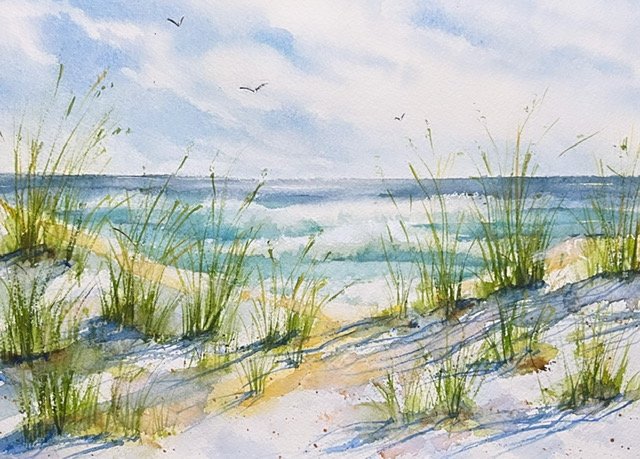
11x14 inches, matted, unframed, fine art Giclee print. “I try to escape to the beautiful beaches in the New York area. Here’s a scene from a visit to Montauk.”
All items on the HVNY Marketplace ship directly from their makers + All prices include shipping.

One-of-a-kind, cut-and-layered art paper for a three-dimensional effect, unframed, ~20x16." The Esopus Meadows Lighthouse and its backdrop as interpreted from Mills State Park.
All items on the HVNY Marketplace ship directly from their makers + All prices include shipping.

Acrylic, tape, yarn on stretched canvas 30x30inches, 2024 - Original artwork. Ships directly from the artist.

Unframed original watercolor. Please note: This item is available for pick-up only. The artist will contact the buyer after purchase to arrange pick-up.

Highland Farm Smoked Venison Snack Sticks are the perfect, farm-fresh protein snack. They are individually wrapped, and easy to pop in your purse or lunchbox.
Includes 30 individually wrapped sticks: 6 - Venison Snack Sticks, 6 - Hot Venison Snack Sticks, 6 - Cracked Pepper Venison Snack Sticks, 6 - Teriyaki Venison Snack Sticks, 6 Venison and Cheddar Snack Sticks

Highland Farm Venison Doggie Treats are a farm-made dried venison meat treat guaranteed to delight your pup! Filled with lots of wholesome venison meat and organs and no junk! Store the jerky strips in the fridge or freezer (since there are no preservatives except for a pinch of salt) and just cut or rip off a piece for your very good pup!
This item is only available for pick-up directly from Highland Farm in Germantown. Pick-up details will be emailed when order is complete.

The Beast Box is a collection of some of Highland Farm’s most popular cuts. It makes a great gift for the game meat lover in your life!
The Beast Box includes:
Bison Ribeye - 2 x 12oz steaks
Elk Loin Roast - 1 x 12oz portion
Venison Steak - 2 x 12oz steaks
Wild Boar Ribs - 2 pounds
Elk and Bison Bratwurst - 1 pound
This item is only available for pick-up directly from Highland Farm in Germantown. Pick-up details will be emailed when order is complete.

A limited edition of three of Highland Farm's most popular sweet and savory summer sausages, and a branded logo cutting board. A perfect host/hostess gift for the holidays!
Sausage Flavors: Venison Summer Sausage, Venison and Cheddar Summer Sausage, Elk Burgundy Cheddar Summer Sausage.
All items on the HVNY Marketplace ship directly from their makers, for free.

A print of the winning shot from the 2022 HVNY Summer Photo Contest by Amy Mott. 12" x16" lustre finish. Prints made to order.
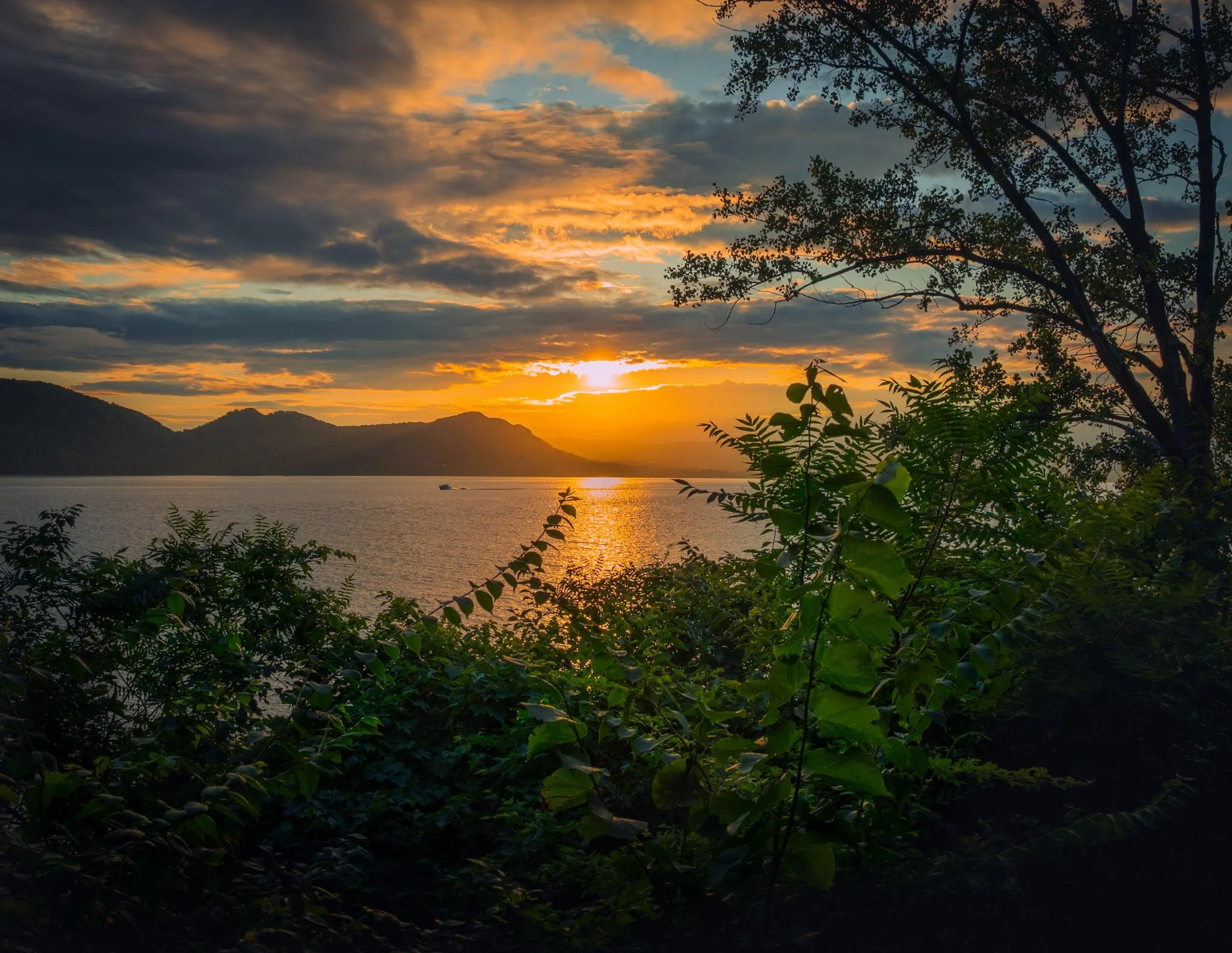
Enjoy summer in the Hudson Valley all yearlong with a print of Croton Point Park from our 2025 HVNY Summer Photo Contest winner, Matthew Daly. Prints made to order.
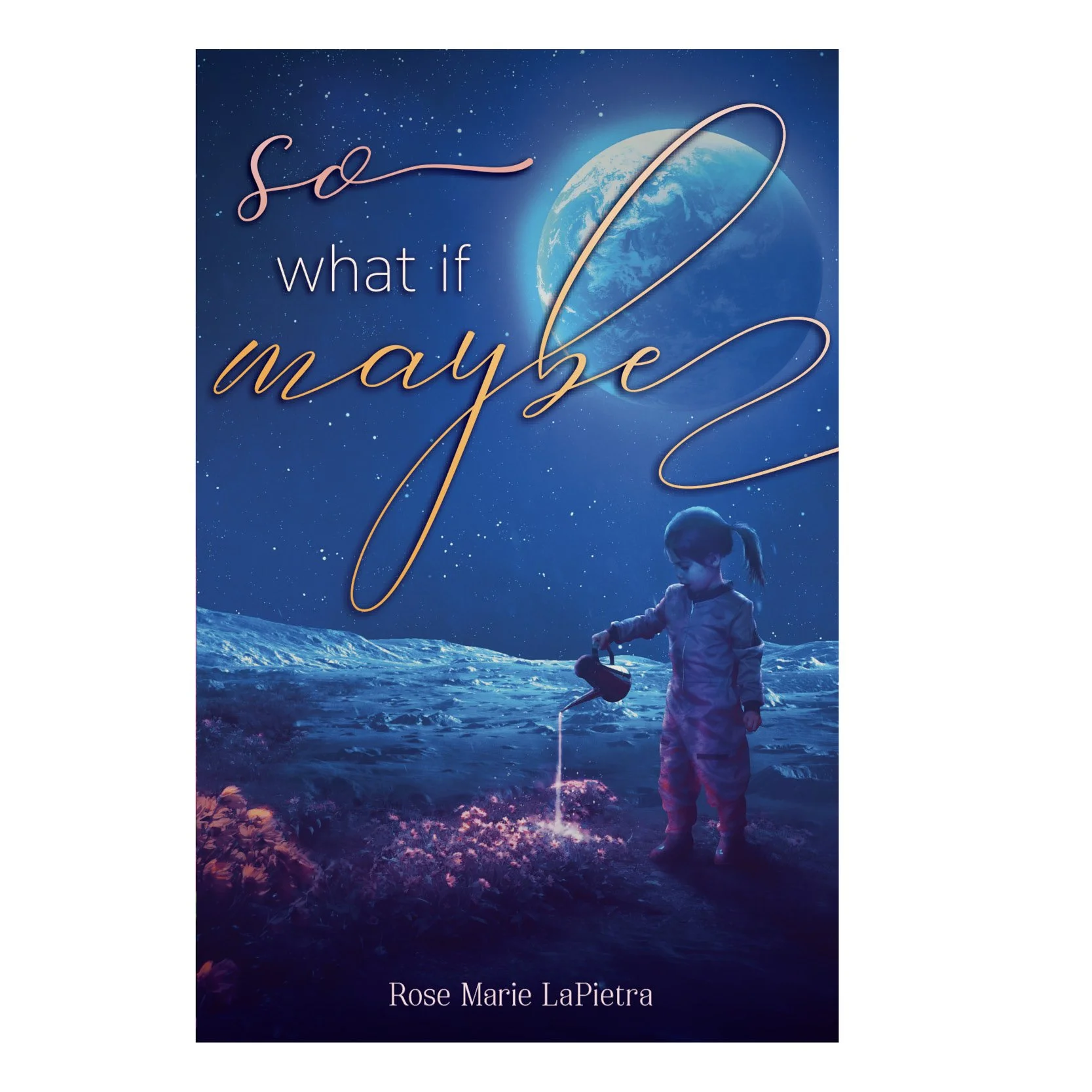
For every almost maybe
the ½ loves
the right hearts but the wrong time
the lonely nights
the rainy days
may these pages restore hope in your eyes
and peace in your heart
today, tomorrow and all the days to come
A book of poetry that explores topics such as coping with various emotions, navigating relationships, love, loss, cultivating self-compassion, and more. It highlights the journey of self-exploration, through vulnerability, mindfulness, uncertainty, and a lot of the messy things many of us relate to but often avoid talking about.
Ships directly from the author.
Bursting with delightful colors and bright illustrations, Local Baby: Hudson Valley engages babies’ attention and encourages families to explore what makes their region so great.
Cross the Bear Mountain Bridge, get spooked in Sleepy Hollow, see art at Storm King, pick apples, go sledding, and so much more! Explore the beautiful Hudson Valley with this joyfully grabbable and wonderfully local board book that is sure to bring generations together. Author: Nancy Ellwood + Author and Illustrator: Scott Leta